
Food waste caddies: how Birmingham's weekly collections work
Weekly food waste collections are being introduced in phases across the city between June 2026 and March 2027.
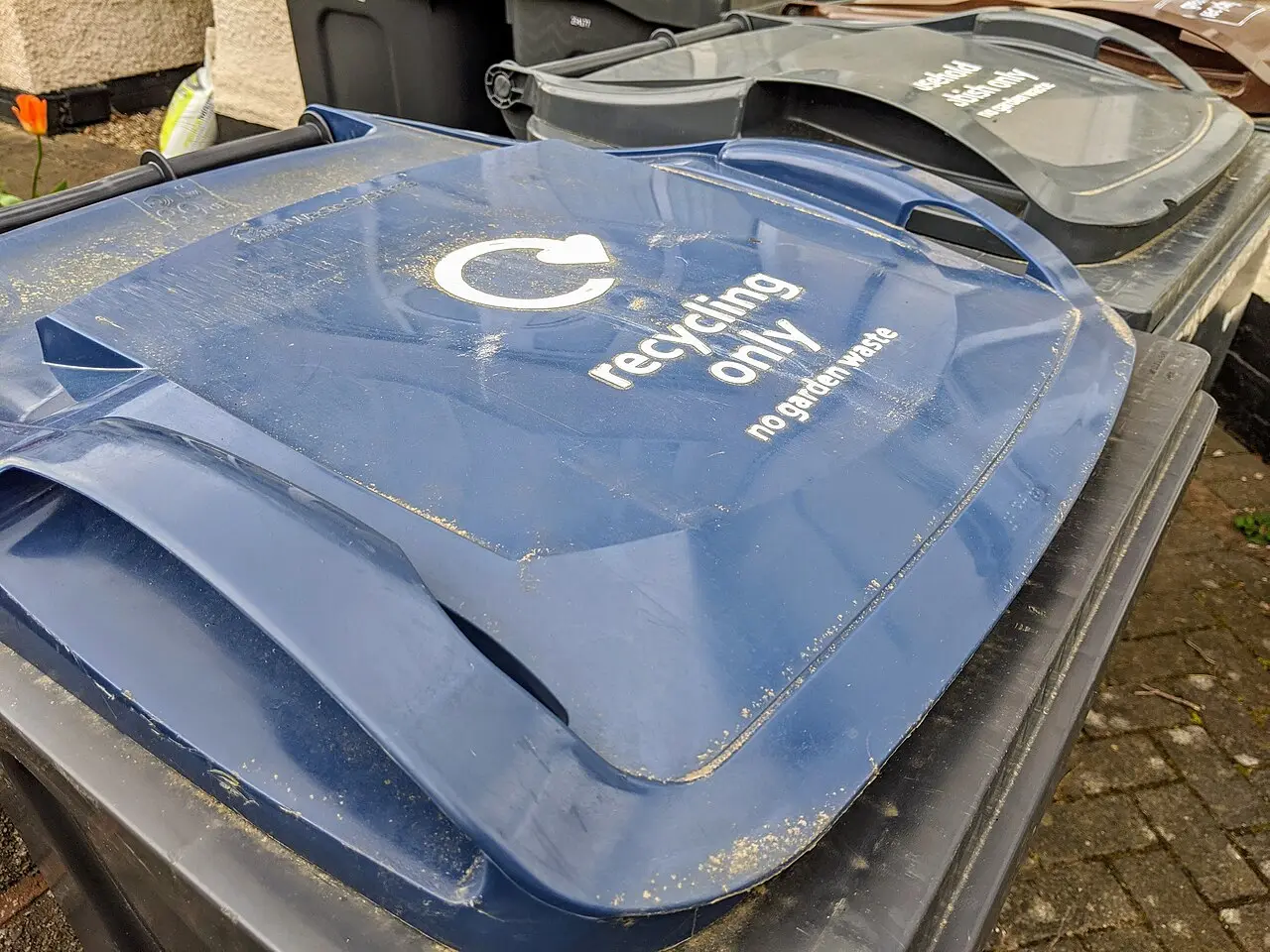
Weekly food waste collections are being introduced across Birmingham in phases between June 2026 and March 2027, as part of a wider overhaul of the city's bin and recycling collections.
The change follows a pilot involving around 10,000 households in six wards, and is part of the Government's Simpler Recycling reforms under the Environment Act 2021, which require councils in England to collect food waste separately every week.
What households receive
Households in the pilot were given:
- a 7-litre grey kitchen caddy for indoors;
- a 23-litre brown caddy for outside, which is put out for collection;
- a letter explaining how the service works.
What can go in
Food waste caddies are for all food that would otherwise go in the general rubbish bin, cooked or raw, including:
- plate scrapings and leftovers;
- fruit and vegetable peelings;
- tea bags and coffee grounds;
- eggshells;
- meat and fish, including bones;
- bread, rice and pasta.
Packaging, plastic bags that are not compostable, liquids such as milk and oil, and garden waste should not go in the caddy.
Why it matters
The council says recycling food waste is better than sending it to its energy from waste facility. Food waste collected separately is usually treated by anaerobic digestion, which turns it into biogas for energy and a fertiliser for farmland. Taking food out of the general waste also frees up space in the rubbish bin and keeps it cleaner and less smelly.
Council plans expect the new collections to lift Birmingham's recycling rate above 30 per cent, from a rate that has been among the lowest of England's big cities.
Tips for using the caddy
- Keep the kitchen caddy by the sink or worktop so it is easy to use.
- Line it with newspaper or a compostable liner if you prefer.
- Empty it into the outdoor caddy every day or two, and keep the outdoor caddy lid locked to stop animals getting in.
- Put the outdoor caddy out on your collection day, even if it is only partly full.
Less food waste in the first place
The charity WRAP estimates that most of the food wasted in UK homes could have been eaten. Planning meals, checking the fridge before shopping, freezing leftovers and understanding the difference between "use by" and "best before" dates can save money as well as reducing waste.
Common questions
Many people worry that a food caddy will smell or attract flies. Emptying the kitchen caddy regularly, keeping lids closed and rinsing the caddies occasionally usually prevents problems, and because food waste is collected every week it does not sit around for long. Households that compost at home can carry on doing so, and use the caddy for cooked food, meat and bones, which should not go in a garden compost heap.
Find out more
Details of when the service will reach each area, and how to report a missed collection, are on the council's website.
More in Environment
All

Latest news
Featured posts
-
Things to do
Top 10 places to visit in Birmingham
-
Food and drink
The 12 most popular food spots in Birmingham
-
Things to do
The best laser tag locations in Birmingham