

First UK patient given drug to delay Type 1 diabetes at Queen Elizabeth Hospital Birmingham
A Shropshire GP has received the first NHS dose of teplizumab at QEHB, a treatment shown to halve the rate at which patients need insulin.
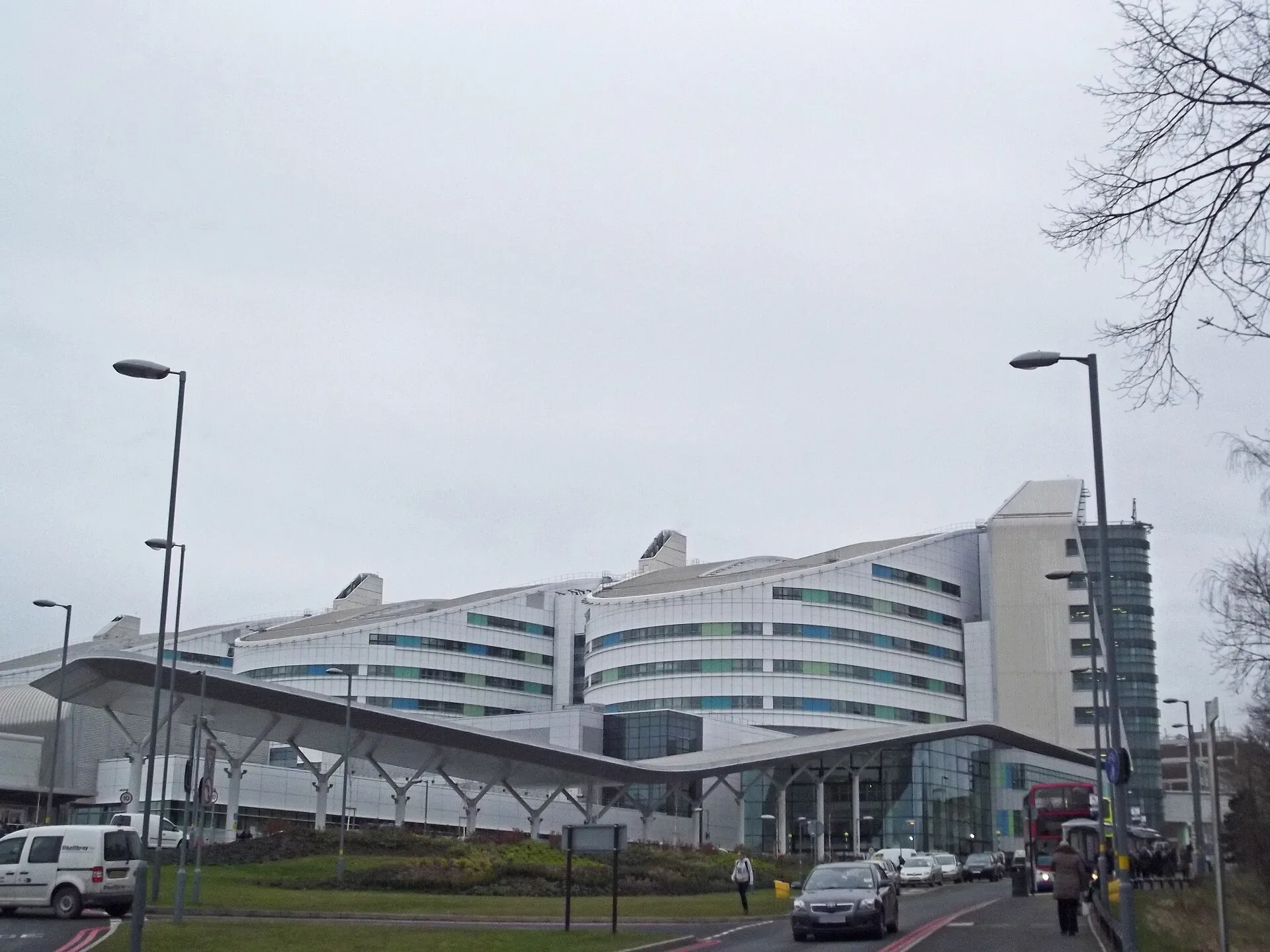
A patient at Queen Elizabeth Hospital Birmingham has become the first person in the UK to receive a pioneering drug that can delay the onset of Type 1 diabetes, putting the city's hospital and university at the front of a new chapter in how the condition is treated.
Annette Quilter, a 42-year-old GP and mother of three from Shropshire, was given the first NHS dose of teplizumab at the Edgbaston hospital this week, BBC News reported. She was diagnosed with Stage 2 Type 1 diabetes in the summer and was found to be eligible for the treatment after screening and assessment.
Breathing space before insulin
Type 1 diabetes happens when the body's own immune system attacks the cells in the pancreas that make insulin. People living with it have to monitor their blood glucose and replace the missing hormone with injections or a pump for the rest of their lives. It is a different condition from type 2 diabetes.
Teplizumab works by slowing the immune system's destruction of those insulin-producing cells. Research trials have shown it can halve the rate at which patients progress to needing insulin. The treatment is given as one infusion a day for 14 consecutive days, each taking about 30 minutes, followed by a period of observation.
Ms Quilter said the diagnosis had come as a shock. "Luckily, it was picked up early enough for this new treatment to be an option for me, the team here have worked really hard to make it happen quickly," she said.
"To have a little bit of breathing space before I need to start insulin, and time to prepare for that, means a great deal."
Years of Birmingham research
The drug has been available on the NHS since June 2026 for eligible children over eight and adults with Stage 2 Type 1 diabetes, the stage at which the immune attack has begun but before symptoms take hold. Ms Quilter is the first to actually receive it.
The University of Birmingham team involved in the research described the first dose as a milestone that followed years of work on early detection and treatment.
Dr Danijela Tatovic said: "For the first time, we have a treatment that can delay progression to insulin-requiring Type 1 Diabetes, offering patients and their families valuable additional time before the condition develops further."
Matthew Metcalfe, hospital executive director at QEHB, said Birmingham had been at the forefront of diabetes research for many years, and praised the way clinicians, researchers and NHS organisations had worked together.
"We are incredibly proud to have treated the first patient in the UK with Teplizumab at QEHB and to now be able to offer this pioneering treatment to eligible patients," he said.
Why early detection matters
The treatment depends on catching the condition before symptoms appear, which is why screening is so important. Stage 2 Type 1 diabetes can be identified through blood tests for the antibodies linked to the immune attack, along with changes in blood sugar control, often in people with a family history of the condition.
Teplizumab does not cure Type 1 diabetes, and most patients will still need insulin eventually. But for families, a delay can mean extra months or years without daily injections and finger-prick tests, and more time to learn how to manage the condition well. For children in particular, that can make a real difference to school life and growing up.
Anyone worried about Type 1 diabetes, especially those with a close relative who has it, should speak to their GP about the symptoms to look out for and whether screening is right for them.
More in Health
All
Latest news
-
16 Nov
New direct Birmingham to Crewe trains start on 13 December, the first step to a Manchester Airport link
-
16 Nov
Apple launches study of 200,000 people to test how useful AI answers to health questions really are
-
16 Nov
Asian Business Chamber's Diwali celebration at St Andrew's explores innovation, from cybersecurity to football
Featured posts
-
Things to do
Top 10 places to visit in Birmingham
-
Food and drink
The 12 most popular food spots in Birmingham
-
Things to do
The best laser tag locations in Birmingham