
Faster decisions on extensions and loft conversions as new planning rules start
Planning officers will now decide straightforward applications, and an AI tool is halving processing times in trial councils.
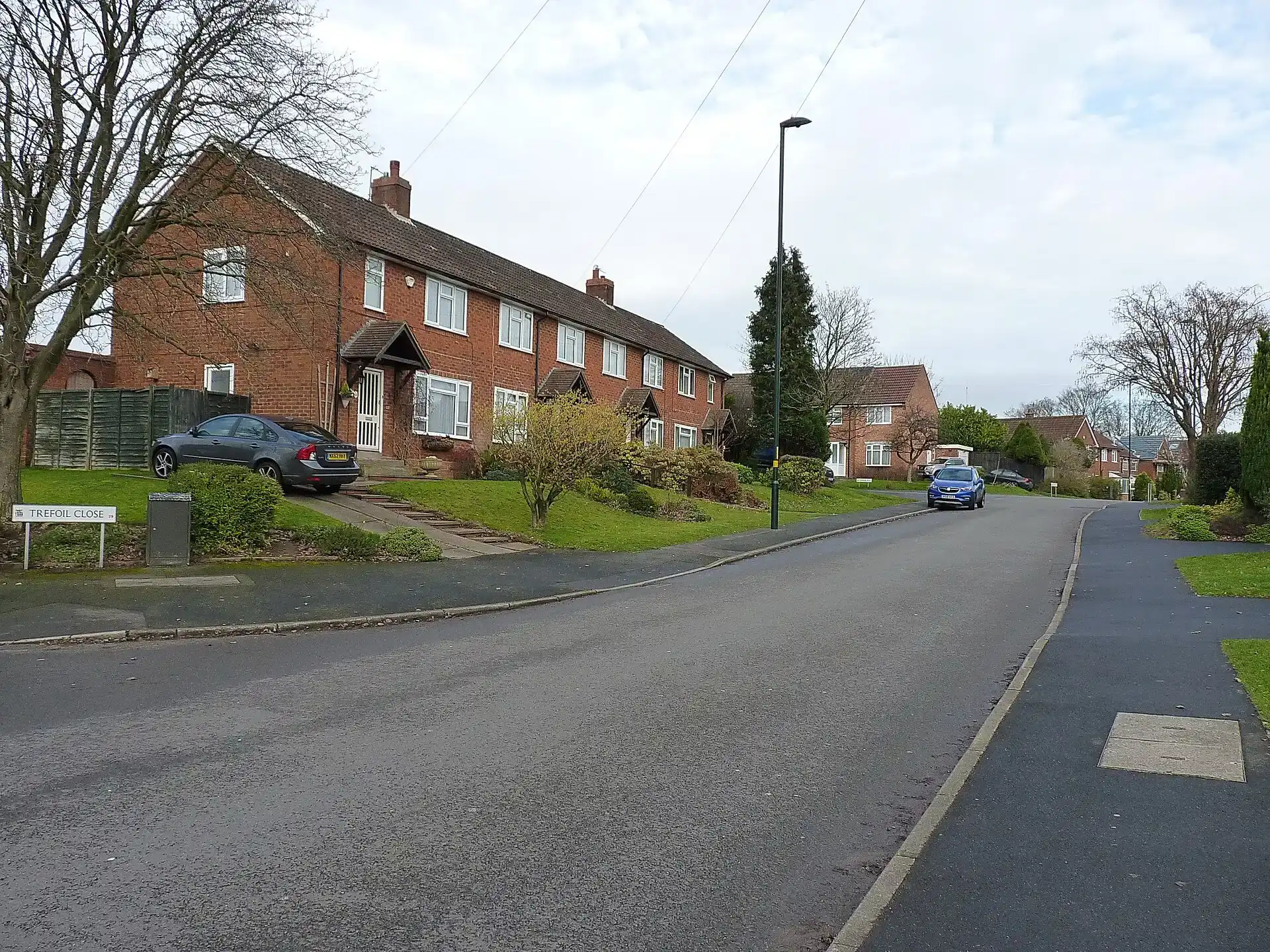
Homeowners planning an extension or a loft conversion should get faster planning decisions from today, as new rules put expert planning officers in charge of straightforward applications and a new AI tool helps councils clear their workload.
From today (Saturday 31 October), straightforward applications will be decided by experienced planning officers rather than waiting for a slot at a planning committee meeting. The government says the new National Scheme of Delegation will give applicants more certainty and free councillors to focus on the most significant developments.
Help for everyday applications
Householder applications, such as extensions and conservatories, make up nearly 70 per cent of planning applications each year. The changes are aimed at getting these everyday applications moving, along with small businesses improving their premises, from shopkeepers to pub landlords.
Housing Secretary Angela Rayner said: "Families wanting more space and businesses looking to grow shouldn't be left waiting unnecessarily for straightforward planning decisions.
"We're giving councils the people, tools and reforms they need to get applications moving faster, while freeing up planners and councillors to focus on the developments that will deliver the homes and infrastructure communities need."
More planners
The government says 420 planners have been recruited through government-backed programmes, beating its 2024 manifesto commitment to recruit 300 more than two years early. It aims to have 1,400 new recruits across the planning system by the end of this Parliament.
AI for planners
A new AI tool, PlanAssist, developed with Google DeepMind, Google Cloud, Faculty and local councils, brings applications, local policies and site constraints together in one place for trained officers to review. In early testing, it cut the time spent on key planning tasks by 58 per cent, helping to halve processing times for routine householder applications from eight weeks to four.
Planning officers remain responsible for reviewing applications and making decisions. After a trial in Camden, Barnet and Dorset, the tool is expanding to 15 councils for 12 months, including Nottingham and Stoke-on-Trent, with the aim of making it available to every council in England by the end of 2027.
AI Minister Kanishka Narayan said: "Whether it's building an extension or converting a loft, families shouldn't face unnecessary delays getting the go-ahead to improve their homes."
What it means in Birmingham
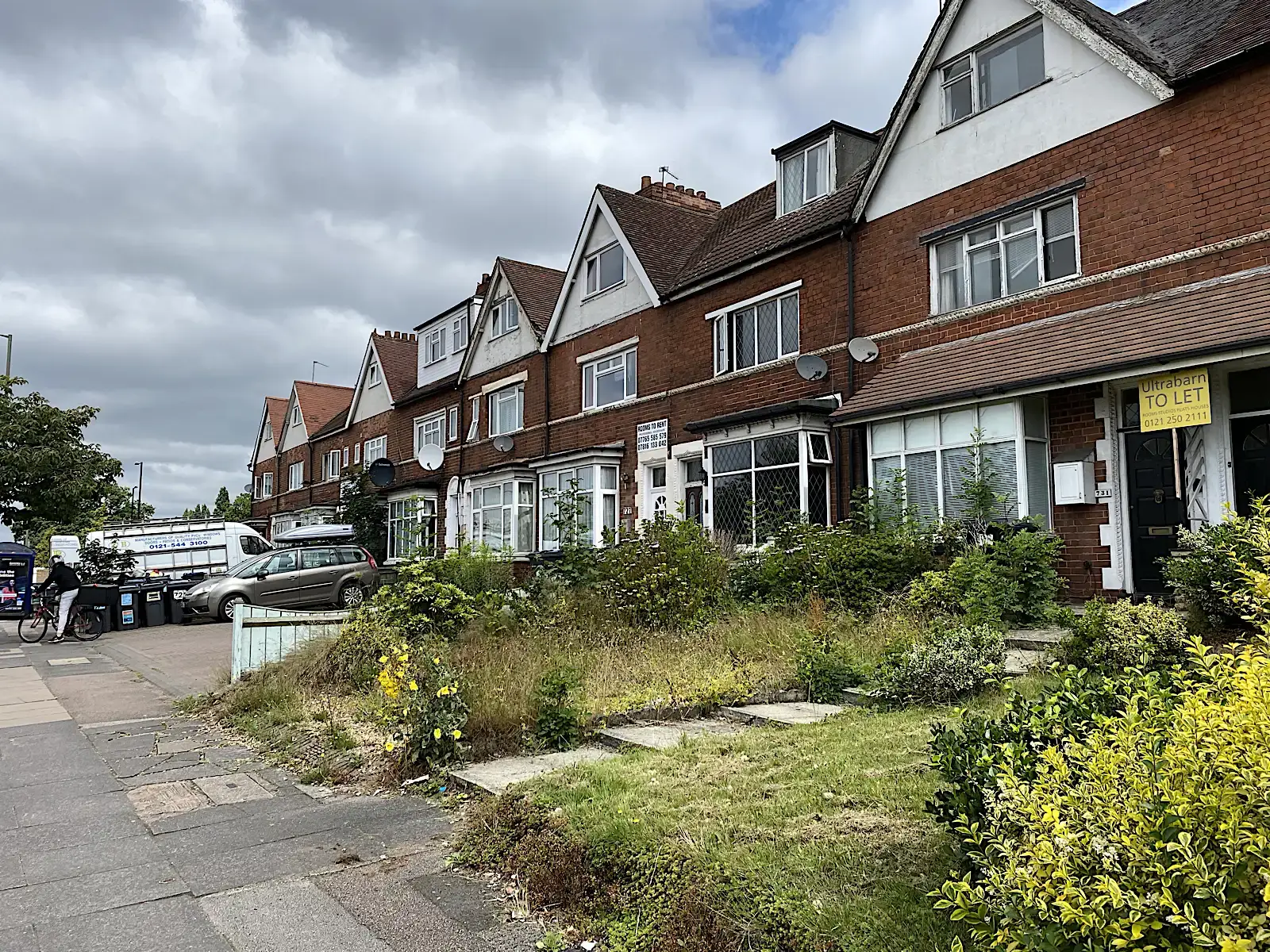
Birmingham City Council handles thousands of planning applications every year, many of them from households wanting more space. Faster decisions on simple applications should mean less waiting for families, and more time for planners to spend on the larger schemes that shape the city.
More in Housing and Property
All

Latest news
Featured posts
-
Things to do
Top 10 places to visit in Birmingham
-
Food and drink
The 12 most popular food spots in Birmingham
-
Things to do
The best laser tag locations in Birmingham