
Damp and mould: what to do as the heating goes on
Colder weather brings condensation; here is how to reduce mould, and what landlords must now do about it.
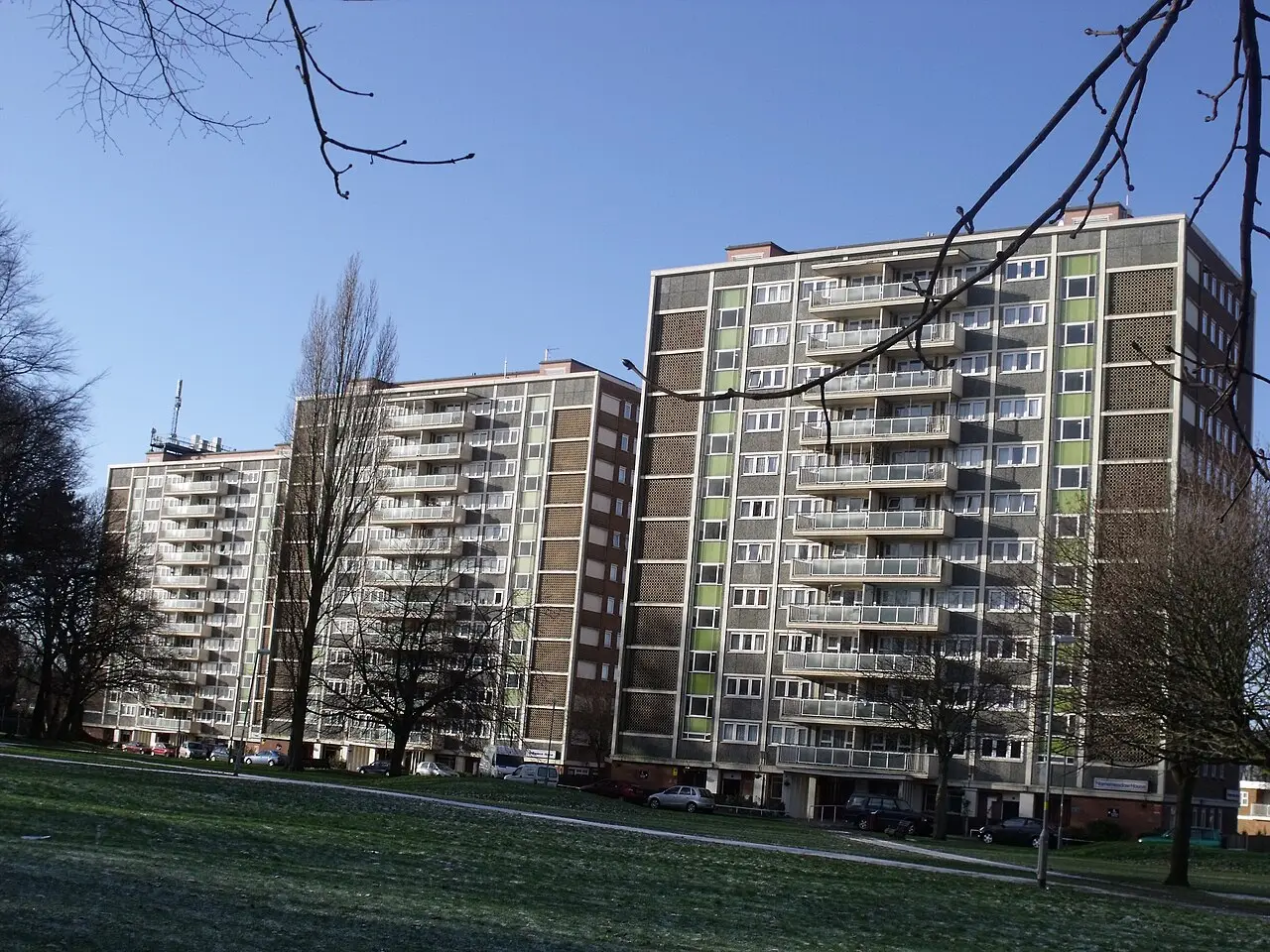
As the nights turn colder and windows stay shut, many Birmingham homes will start to see condensation, damp and black mould. Here is what causes it, how to reduce it, and what landlords are now required to do.
Why it matters
Government guidance says damp and mould can cause or worsen respiratory problems, infections, allergies and asthma, and can affect mental health. Children, older people, and people with lung conditions or weakened immune systems are particularly at risk.
The dangers were brought home by the death of Awaab Ishak, a two-year-old boy who died in Rochdale in December 2020 after long-term exposure to mould in his family's social housing flat. His family had complained repeatedly.
What causes it
Most mould in homes is caused by condensation. Everyday activities such as cooking, showering, drying clothes indoors and even breathing put moisture into the air. When warm, damp air meets a cold surface, such as a window or an outside wall, the water condenses and mould can grow. Damp can also come from leaks, faulty gutters and pipes, or rising damp, which need repairs rather than better ventilation.
Reducing condensation
- Use extractor fans when cooking and showering, and keep lids on pans.
- Open a window a little, or use trickle vents, especially in kitchens, bathrooms and bedrooms.
- Dry clothes outside where possible, or in a well-ventilated room with the door closed.
- Wipe condensation off windows and sills each morning.
- Leave a small gap between furniture and outside walls so air can circulate.
- Keep rooms at a steady temperature if you can, as cold rooms are more prone to mould.
What landlords must do
The guidance makes clear that damp and mould should not be blamed on "lifestyle", and that landlords must deal with the underlying causes. Under Awaab's Law, which began in October 2025, social landlords in England must investigate reported damp and mould within set deadlines and fix serious problems quickly, with emergencies dealt with within 24 hours. From 30 November 2026, the same deadlines will apply to a wider range of hazards, including excess cold.
Private landlords must keep homes free from serious hazards under the housing health and safety rating system, and councils can take action against those who do not.
How to report it
Birmingham City Council tenants can report damp and mould online or by phone. Housing association tenants should contact their landlord directly. Take photographs, keep a record of when you reported the problem, and follow up in writing. If the landlord does not respond properly, social housing tenants can complain to the Housing Ombudsman, and private tenants can contact the council's private rented sector team.
Help with heating costs
Keeping homes warm helps prevent condensation, but heating is expensive. Households struggling with energy bills can ask their supplier about payment plans and grants, and check whether they qualify for the Warm Home Discount.
More in Housing and Property
All

Latest news
Featured posts
-
Things to do
Top 10 places to visit in Birmingham
-
Food and drink
The 12 most popular food spots in Birmingham
-
Things to do
The best laser tag locations in Birmingham