
Cutting sewage spills is an "incredible task", water bosses say
There were more than 36,000 spills from Severn Trent's storm overflows last year; investment of £1.75bn is under way.
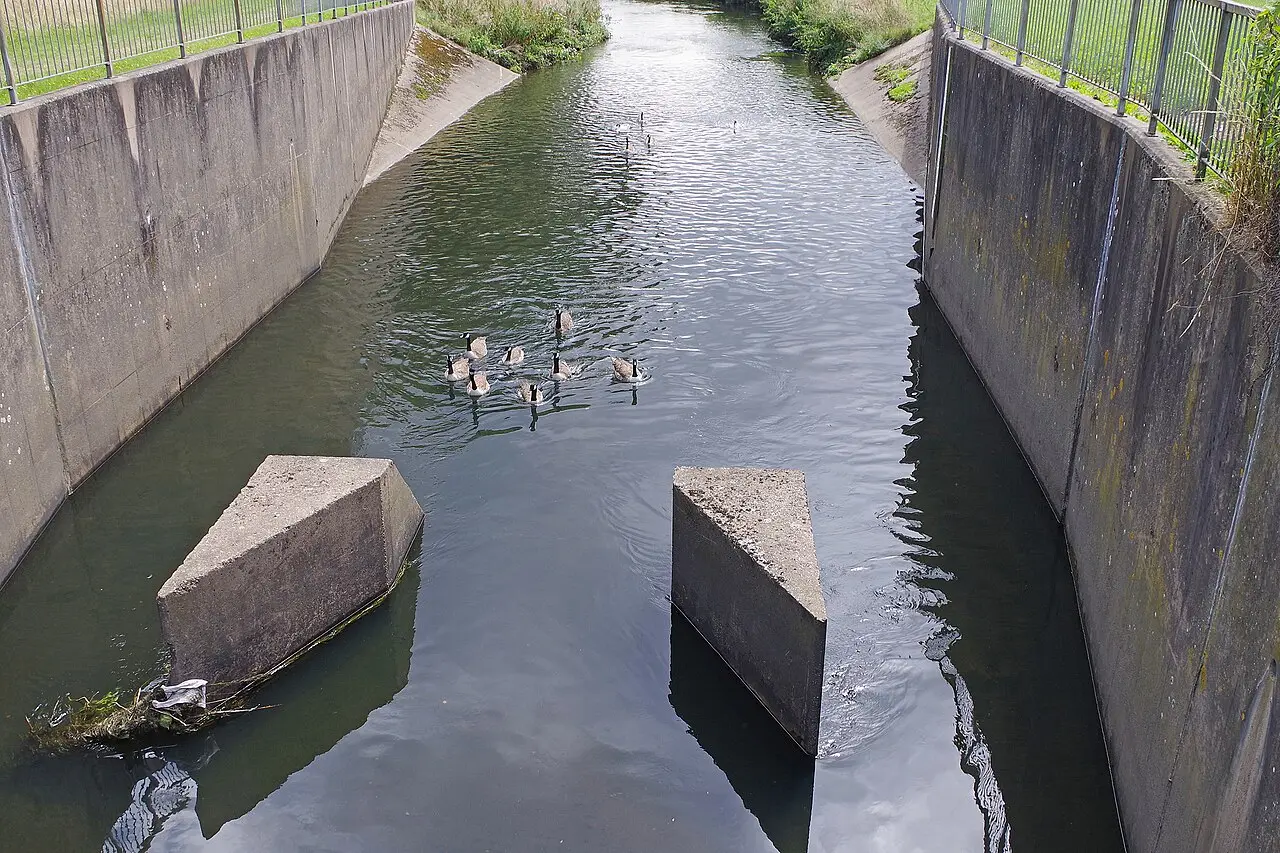
Reducing the number of times sewage is discharged into rivers will take time, water industry figures have warned, as councillors questioned whether the River Severn can cope with pollution from existing and future development.
Severn Trent data shows that across its whole operating area, which includes Birmingham, there were more than 36,000 spills lasting more than 200,000 hours from 2,452 storm overflows in 2025.
"This is several times a year"
At a meeting of Worcestershire County Council's environment panel, Councillor Louis Stephen said discharges were often blamed on heavy rainfall. "But this is becoming more and more common," he said. "It isn't a thing that's happening once every 50 years or every 10 years. This is several times a year."
"At what point can we actually say this problem's been solved?" he asked.
The Worcester sewage treatment works alone had 68 spills in 2025, lasting a total of 975 hours.
"Unaffordable and unfeasible" to remove them quickly
Tim Smith, of the Environment Agency, said storm overflows had been designed to stop flooding. "To remove them in a short amount of time is unaffordable and unfeasible," he said. "The trajectory is what we need to do as a country to reduce those discharges, rather than just completely eliminate them."
"All storm overflows now have monitors and that wasn't the case 10 years ago," he said, adding that water companies now had a live picture of "what's happening and when".
The plan
Mr Smith said water companies were investing £1.75 billion in reducing storm overflow discharges between 2025 and 2030, focusing on the high-priority overflows that spill most often and cause the most harm. The target is to reduce discharges to an average of 10 a year per overflow.
"It's an incredible task but the discharges on average are coming down," he said. "It's an issue we are taking seriously."
What is a storm overflow?
Much of England's sewer network, including in Birmingham, carries both rainwater and sewage in the same pipes. When heavy rain overwhelms the system, storm overflows release diluted sewage into rivers to stop it backing up into homes and streets. They were meant to be used only in exceptional conditions, but have been used far more often, damaging water quality and wildlife.
Birmingham's rivers
Birmingham's rivers, including the Tame, the Rea and the Cole, flow into the Trent rather than the Severn, but are part of the same Severn Trent network. Volunteer groups and the Birmingham and Black Country Wildlife Trust have campaigned for cleaner urban rivers, which are home to fish, kingfishers and otters.
Check before you paddle
Water companies now publish near real-time information online about when their storm overflows are discharging. Anyone planning to paddle, fish or swim in a river can check before they go, and should avoid entering the water after heavy rain, when spills are most likely.
More in Environment
All

Latest news
Featured posts
-
Things to do
Top 10 places to visit in Birmingham
-
Food and drink
The 12 most popular food spots in Birmingham
-
Things to do
The best laser tag locations in Birmingham