

Councils to get more than £80bn next year as ministers confirm second year of three-year deal
Council tax rises stay capped at 5% for most, and mayors will keep a 20% share of business rates growth from 2027-28.
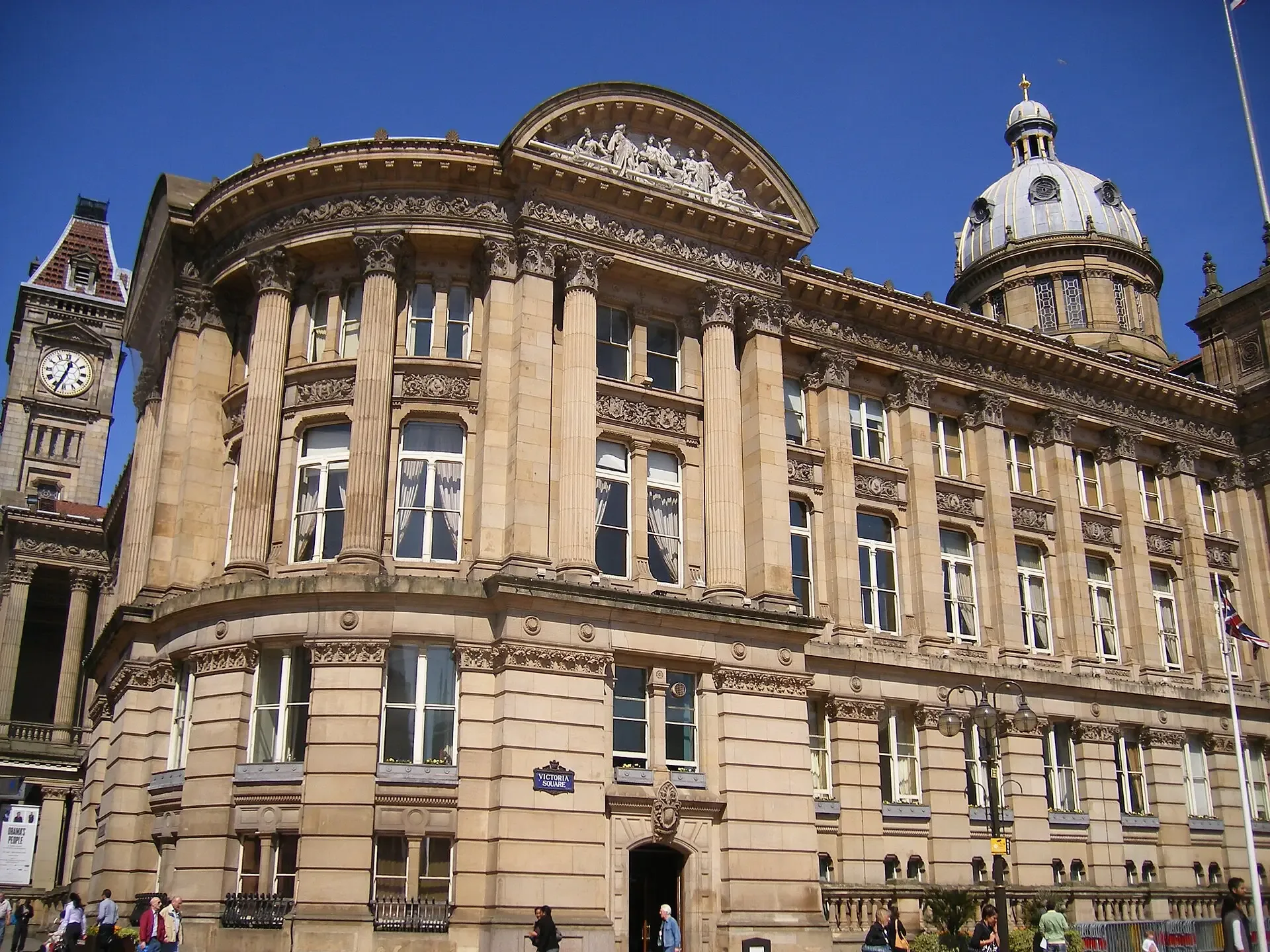
Councils across England, including Birmingham City Council, will have more than £80 billion available next year, the government has confirmed, as it sets out how the second year of its three-year funding settlement will work.
The money pays for the local services residents notice every day, from bin collections and pothole repairs to social care. The confirmation came in a policy statement published on Thursday 26 November, which gives councils a preview of what will be in the provisional Local Government Finance Settlement expected later this year.
Planning further ahead
The three-year settlement was introduced after years of one-year deals, which councils said made long-term planning harder. The government says the longer settlement gives local authorities "greater certainty" over their funding.
Funding is also being shifted to reflect need. The government says there was a consensus in the sector that the previous model was "unfair and outdated", with some of the country's most deprived communities receiving less support than better-off areas. Those changes are being phased in over the three years.
Jim McMahon, Minister for Local Government, Devolution and Regional Growth, said: "Local authorities provide the foundations on which successful devolution depends, delivering the services communities rely on and shaping their local economies. We know that longer-term certainty is vital for local authorities to plan effectively."
He added that money was now being targeted "where it is needed most, meaning nine in ten councils will receive funding that broadly matches their assessed relative need by the end of the multi-year Settlement, up from around a third before our reforms."
What it means for council tax
Council tax rises will again be limited to 5% for most councils without a local referendum: a 3% cap plus an extra 2% for adult social care. Councils that believe they need to go further can ask permission, but the government says this will only be considered for areas with below-average council tax levels.
Separately, eligible households in council tax bands A to D will get £100 from January 2027 through the Household Energy Payment, to help with energy costs.
Mayors to keep a share of business rates
The settlement will also set out how regional mayors can receive a share of business rates in place of some existing grants. From 2027-28, mayors will receive a 20% share of business rates growth in their areas, so that more of the benefit of local economic growth stays local. That will matter for the combined authority led by the regional mayor, Richard Parker.
Care, families and rough sleeping
- An extra £432 million announced at the Budget to help people sleeping rough, bringing total investment to £874 million
- A 2.92% rise in the national minimum allowance for foster carers in 2027-28
- £853 million for the Families First Partnership, to shift support towards earlier help for families
- High Needs Stability Grant payments worth around £6 billion nationally this month for councils with approved special educational needs reform plans
Why it matters in Birmingham
For Birmingham City Council, which is still under government intervention after its financial crisis, a clearer view of next year's money matters. This week four of its government-appointed commissioners were confirmed to be stepping down after "significant progress", and multi-year funding gives the council a firmer footing as it plans the services residents want to see improved. The detailed figures for each council will come with the provisional settlement.
More in Council and Politics
All
Council and Politics
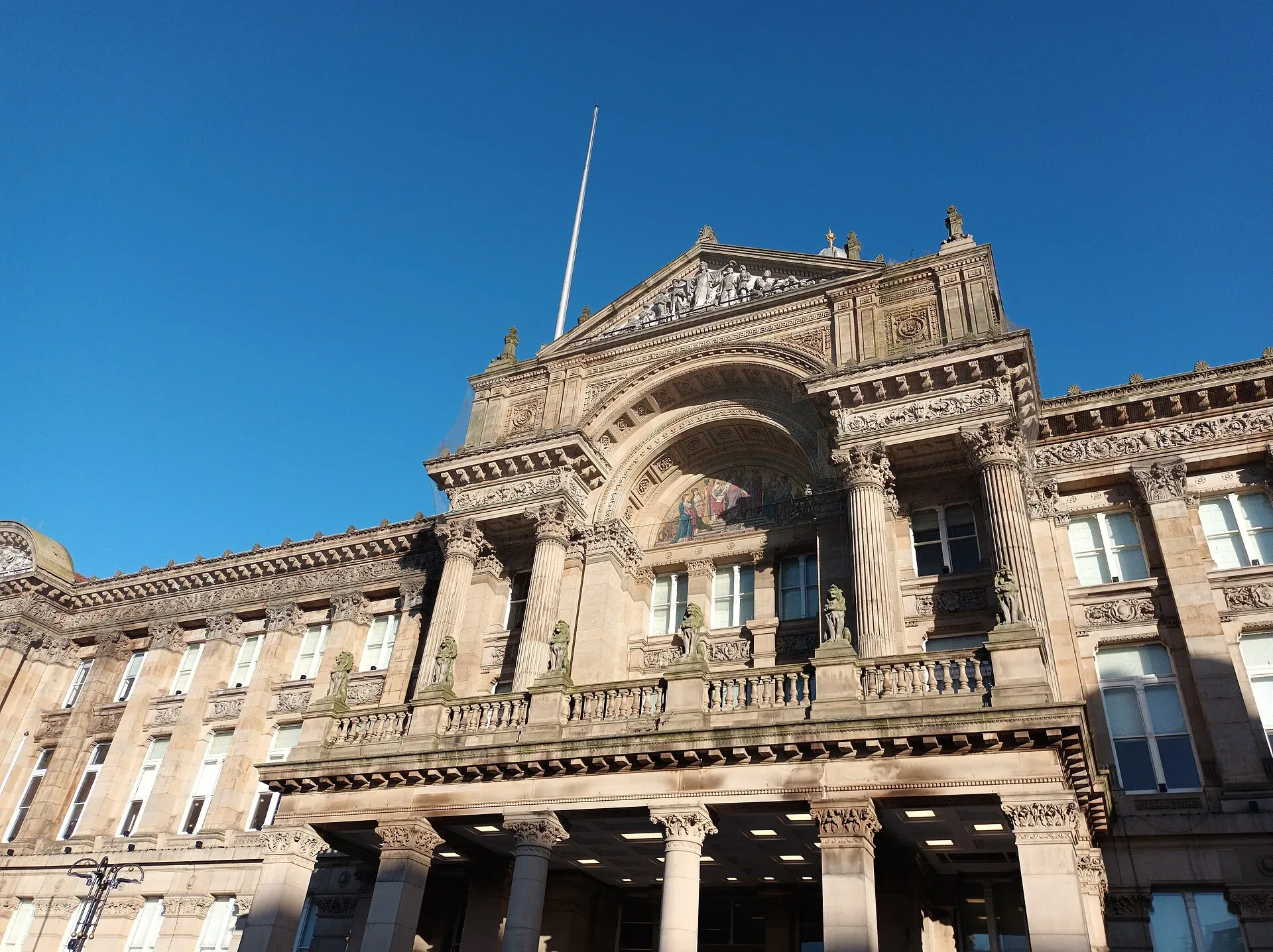
Four Birmingham City Council commissioners to step down after 'significant progress'
Latest news
Featured posts
-
Things to do
Top 10 places to visit in Birmingham
-
Food and drink
The 12 most popular food spots in Birmingham
-
Things to do
The best laser tag locations in Birmingham