
City council to prosecute Cadbury over salmonella scare
More than a million chocolate bars were recalled, and 37 people were infected with Salmonella Montevideo.
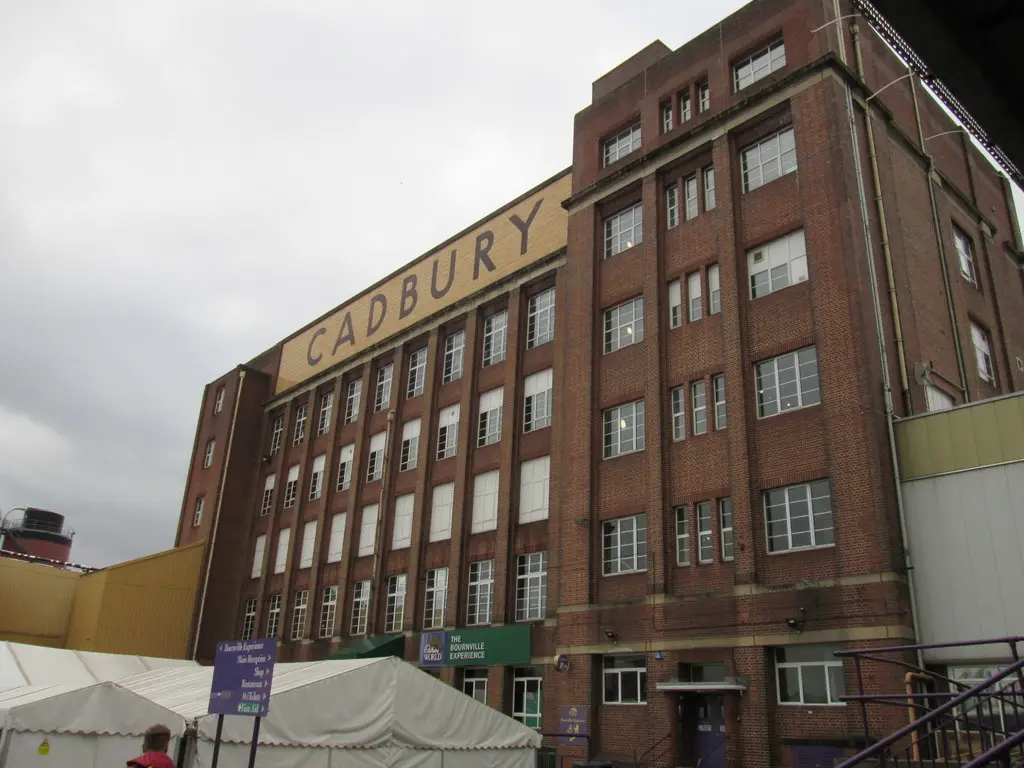
Birmingham City Council is to prosecute Cadbury Schweppes over three alleged breaches of food safety law, following last year's salmonella scare that led to the recall of more than a million chocolate bars.
The council announced the prosecution in April.
The salmonella scare
On 20 January 2006, Cadbury Schweppes detected a strain of Salmonella Montevideo bacteria affecting seven of its products. The contamination was caused by a leaking pipe that dripped waste water onto a chocolate crumb production line at the company's plant in Marlbrook, Herefordshire.
The company did not notify the Food Standards Agency until around six months after the problem was detected, a delay it was unable to explain satisfactorily and for which it has been criticised. The agency ordered the company to recall more than a million chocolate bars.
In December, the company said the cost of dealing with the incident had reached £30 million.
People made ill
The Health Protection Agency has identified 37 people who were infected with Salmonella Montevideo. One of those affected had to be kept in a hospital isolation ward for five days after eating a Cadbury caramel bar.
Why Birmingham is prosecuting
Cadbury Schweppes is one of Birmingham's best-known companies, with its famous factory at Bournville in the south of the city, where Cadbury has made chocolate since the late 19th century.
A separate investigation is being carried out by Herefordshire Council, where the contaminated production line is based.
Other recalls
The prosecution comes after another recall earlier this year. On 10 February, Cadbury recalled some of its Easter eggs because of a labelling error: the products were made in a factory that handles nuts, a potential allergen, but this was not made clear on the packaging. Cadbury said the eggs were "perfectly safe" for people without nut allergies.
What happens next
The case will be heard in the courts, where the company will have the chance to respond to the charges.
Cadbury Schweppes was founded in Birmingham in 1824, when John Cadbury began selling tea, coffee and drinking chocolate on Bull Street.
The company was granted its first royal warrant by Queen Victoria in 1854. It merged with Fry's of Bristol in 1919 and with Schweppes in 1969, and has been one of Birmingham's best-known businesses for more than 150 years.
Herefordshire Council is carrying out its own investigation into the contamination at Marlbrook. Separately, Cadbury Schweppes revealed in March that it plans to split into two companies, one focused on chocolate and confectionery and the other on drinks.
More in Health
All

Latest news
Featured posts
-
Things to do
Top 10 places to visit in Birmingham
-
Food and drink
The 12 most popular food spots in Birmingham
-
Things to do
The best laser tag locations in Birmingham