
Birmingham named a Tree City of the World
The UN-backed status recognises how the city cares for its trees and urban woodland.
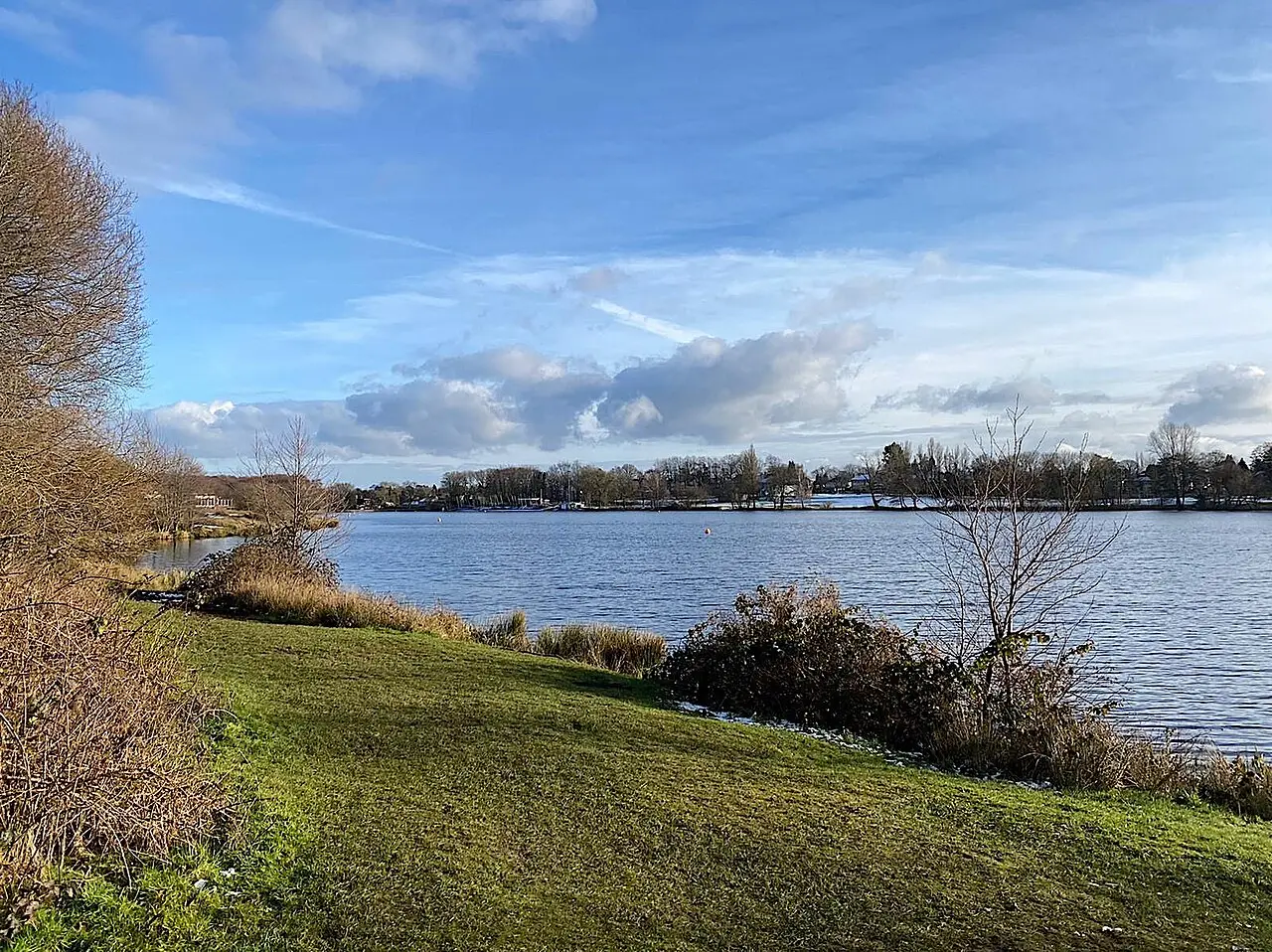
Birmingham has been named a Tree City of the World, in recognition of the way it cares for and plans its urban trees and woodland.
The designation was announced on 4 February by the Food and Agriculture Organization of the United Nations and the Arbor Day Foundation, which run the international programme.
Five standards
The programme recognises cities on every continent that meet core standards for looking after their trees and urban forests. To qualify, Birmingham had to show that it met five of them: establishing responsibility, setting the rules, knowing what it has, allocating resources and celebrating its achievements.
The city council announced its bid last July, the same month it was revealed that the city's parks and open spaces had been valued at £11 billion.
A greener image
Councillor John O'Shea, cabinet member for street scene and parks, said the status would help change how people outside Birmingham see the city.
"Within Birmingham, we know our parks and open spaces are some of our greatest assets, adding value to all aspects of daily life," he said. "Outside of Birmingham, our fantastic environment isn't one of the things that people identify us with - by securing this status, our profile in this respect will be elevated hopefully attracting many more visitors to the city, to see what we have to offer."
He said a review of the city's tree policies in early 2018 had helped show how Birmingham met the standards, along with partnership work with Trees for Cities, Birmingham Trees for Life and the council's new tree warden group, the Birmingham Tree People.
"The city's natural lungs"
Councillor Waseem Zaffar, cabinet member for transport and environment, linked the award to the city's efforts to tackle air pollution and climate change. The council declared a climate emergency in June 2019.
"Our challenge with air quality in this city is well-documented," he said. "Our trees, along with our parks and open spaces, are the city's natural lungs and play a major role in this effort. The formal status as a 'Tree City' underlines the important role they play in the public health of Birmingham."
"The decision to recognise Birmingham with 'Tree City' status is a great achievement, but we will not rest on our laurels, there is still much work to be done to get our Urban Forest fit to meet the challenges of future climate trends."
He said the city's climate change taskforce, set up last year to plan the route to carbon neutrality, would look at how to make the most of the recognition.
A city of green spaces
Birmingham is often thought of as a city of roads and factories, but it has hundreds of parks and open spaces, from the Lickey Hills and Sutton Park to the Victorian parks of the inner city. Sutton Park alone is one of the largest urban parks in Europe.
Trees bring many benefits to a city: they absorb pollution and carbon, provide shade and cooling on hot days, support wildlife and make streets more pleasant places to be. As the city works towards its climate goals, the Tree City status is a reminder of the part its urban forest can play.
More in Environment
All
Latest news
Featured posts
-
Things to do
Top 10 places to visit in Birmingham
-
Food and drink
The 12 most popular food spots in Birmingham
-
Things to do
The best laser tag locations in Birmingham