
Birmingham Airport cuts its carbon emissions by 11 per cent
Solar panels, LED lighting and HVO fuel helped cut emissions as passenger numbers rose.
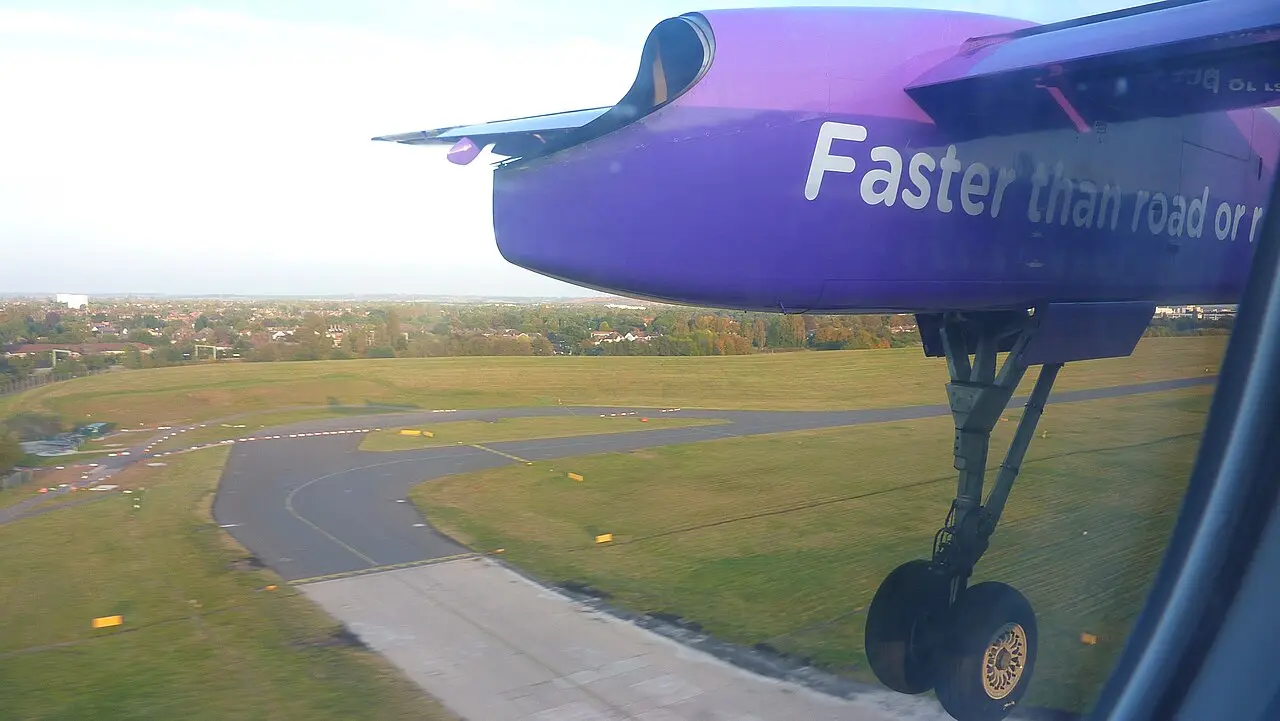
Birmingham Airport has cut the greenhouse gas emissions from its own operations by 11 per cent in a year, even though passenger numbers rose by 6 per cent, according to its latest greenhouse gas report.
The airport's emissions fell by 798 tonnes of carbon dioxide equivalent during 2025 to 2026, to a new low of 6,455 tonnes. Its emissions have now fallen by 38 per cent since 2019 to 2020, and emissions per passenger fell by 16 per cent over the year.
How the cuts were made
More than 6,500 megawatt hours of electricity a year is now generated by solar panels on the airport site, saving more than 1,150 tonnes of carbon dioxide equivalent. Further savings have come from LED lighting, upgrades to heating and ventilation, and improvements to the energy efficiency of buildings.
The airport has also expanded its use of vehicles fuelled by hydrotreated vegetable oil, known as HVO, which is made from renewable waste and can cut carbon emissions by around 90 per cent compared with diesel.
An international award
Earlier this year, the airport reached Level 4 of the Airport Carbon Accreditation programme run by Airports Council International for the first time. The scheme recognises airports that measure, manage and reduce their emissions, and Level 4 requires airports to set targets in line with global climate goals and work with partners across the airport.
What is and is not included
The figures cover emissions from the airport's own buildings, vehicles and energy use, which are known as scope 1 and scope 2 emissions. They do not include emissions from the aircraft themselves, which make up by far the largest share of the climate impact of flying. Environmental campaigners say that is why figures for airport operations alone can give only part of the picture.
Record passengers
The airport now handles more than 13.7 million passengers a year, with direct flights to around 145 destinations and more than 650 onward connections. It had a record August, and new routes this winter include EgyptAir's first direct flights to Cairo, starting on 27 October.
Aviation and climate
Aviation is one of the hardest sectors of the economy to decarbonise, because aircraft need energy-dense fuel. The industry is investing in sustainable aviation fuel, made from waste and other sources, and in more efficient aircraft. The UK has introduced a mandate requiring a growing share of jet fuel to be sustainable, rising over the coming years. Hydrogen and electric aircraft are being developed for shorter flights, but are not expected to be widely used for many years.
Birmingham's climate goal
Birmingham City Council has set a goal for the city to reach net zero carbon by 2030, or as soon as possible afterwards as a just transition allows. Cutting emissions from transport, including travel to and from the airport, is one of the biggest challenges in reaching that goal.
Greener journeys to the airport
Travelling to the airport by train or bus rather than by car can cut the carbon footprint of a trip. Birmingham International station, linked to the terminal by a free Air-Rail Link, has frequent trains from New Street, and the airport is also served by buses.
Noise and local air quality
Airports also affect the environment around them through noise and local air pollution. Birmingham Airport publishes information about noise and runs a scheme to help some nearby homes with sound insulation. Residents can raise concerns about aircraft noise through the airport's community relations team.
More in Environment
All
Latest news
Featured posts
-
Things to do
Top 10 places to visit in Birmingham
-
Food and drink
The 12 most popular food spots in Birmingham
-
Things to do
The best laser tag locations in Birmingham