

BCU wins £120,000 to make smartphone AI eye screening safe and reliable
The SIGHTMARK-AI project will build a framework to test AI tools that detect glaucoma and other conditions from phone images.
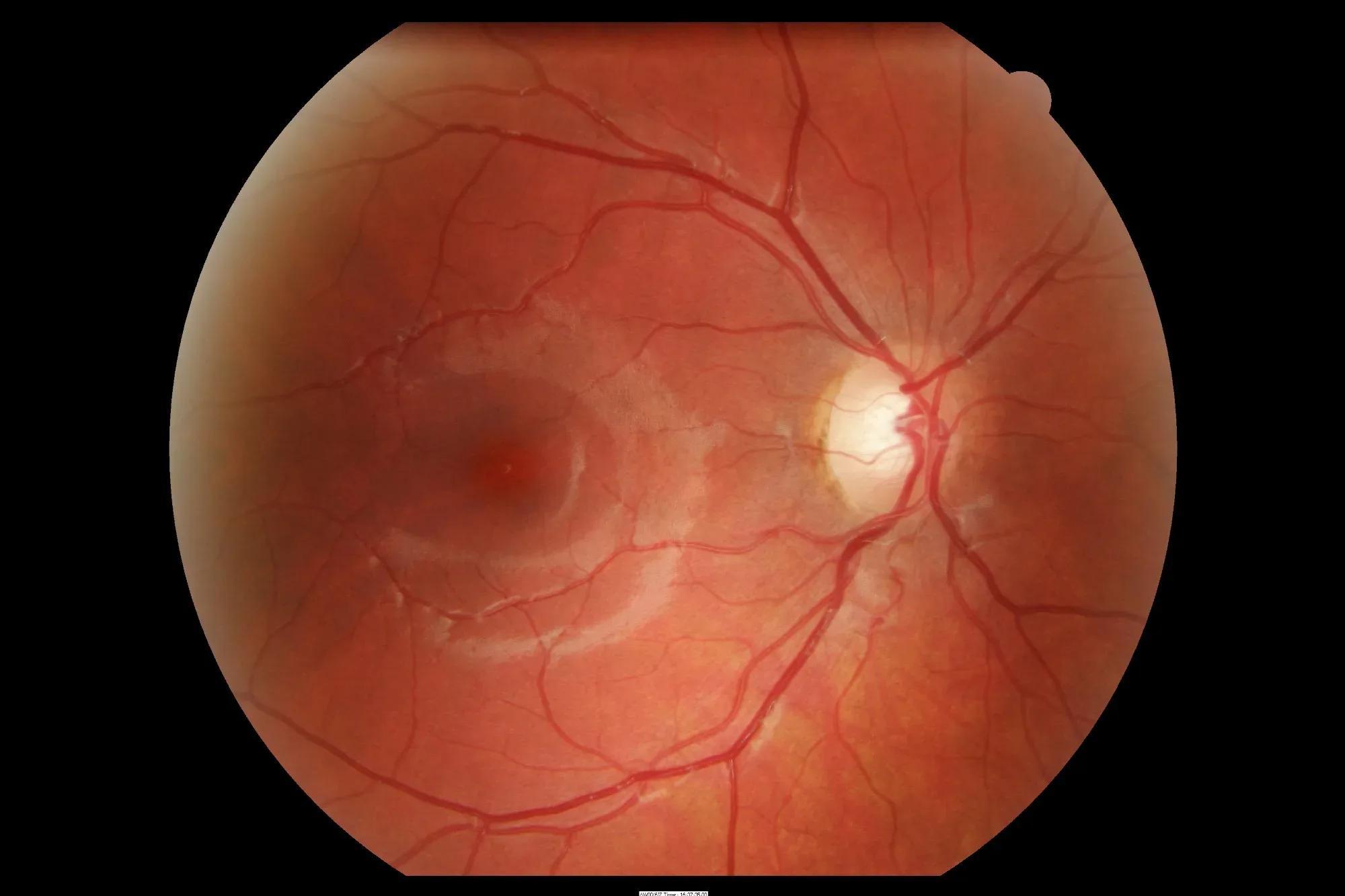
Researchers at Birmingham City University have been awarded nearly £120,000 to help make sure artificial intelligence tools that spot eye disease from smartphone photos are safe and reliable enough to use around the world.
The project, funded by Innovate UK, aims to make it easier to detect serious eye conditions outside hospitals and clinics, potentially bringing screening to people who live far from an eye specialist.
Catching blindness early
Glaucoma, diabetic retinopathy and age-related macular degeneration are among the leading causes of preventable blindness worldwide. All three can be treated if they are caught early, but in many low-income and rural areas, access to screening is limited.
Smartphone fundoscopy, which uses a phone and a special attachment to photograph the back of the eye, could change that. Combined with AI that analyses the images, it could allow a health worker with a phone to carry out checks that would normally need a clinic.
Setting the standard
The challenge is trust. An AI system is only as good as the data it was trained and tested on, and a missed diagnosis can cost someone their sight.
BCU's project, called SIGHTMARK-AI, is working with Black Space Technology and OUI Inc. to build an evaluation framework that other researchers and companies can use to test smartphone fundoscopy AI systems. The aim is to standardise how these tools are checked, raise the bar for clinical safety and speed up the adoption of systems that can be trusted.
Martin Esugo, the project's principal investigator at BCU, said: "Eye disease takes something from people that can never really be given back, and I find it hard to accept that so much of it is preventable if it's just caught in time.
"The work we do here, such as ensuring the data is correct, and making sure annotations are trustworthy, could be the difference between someone getting diagnosed early or not at all, especially in places where a proper eye clinic is simply out of reach."
"Knowledge for good"
Professor Junaid Arshad, head of the department of computing at BCU, said: "Our work demonstrates how advanced digital innovation can directly transform healthcare.
"By turning accessible mobile imaging into reliable, clinical-grade diagnostics, we are proud to deliver on BCU Strategy 2030's mission to create knowledge for good.
"We are setting new standards for patient safety and driving the trustworthy adoption of AI in modern medicine."
Birmingham's growing health tech strength
The award is another example of Birmingham's universities applying AI to real-world health problems. It comes as health systems everywhere look at how AI could help them reach more patients, and as regulators and clinicians ask how to be sure these tools are safe before they are relied upon.
In the UK, people with diabetes are already offered regular eye screening on the NHS, because early signs of damage can be picked up long before sight is affected. Work like BCU's could help bring similar checks to communities that have no such service at all, using a device most people already carry in their pocket.
More in Technology
All


Latest news
Featured posts
-
Things to do
Top 10 places to visit in Birmingham
-
Food and drink
The 12 most popular food spots in Birmingham
-
Things to do
The best laser tag locations in Birmingham