

BCU to pay and train students as energy advisers to help households cut their bills
The Student Energy Advice Network will offer free advice to students, staff and the community, with recruitment starting this month.
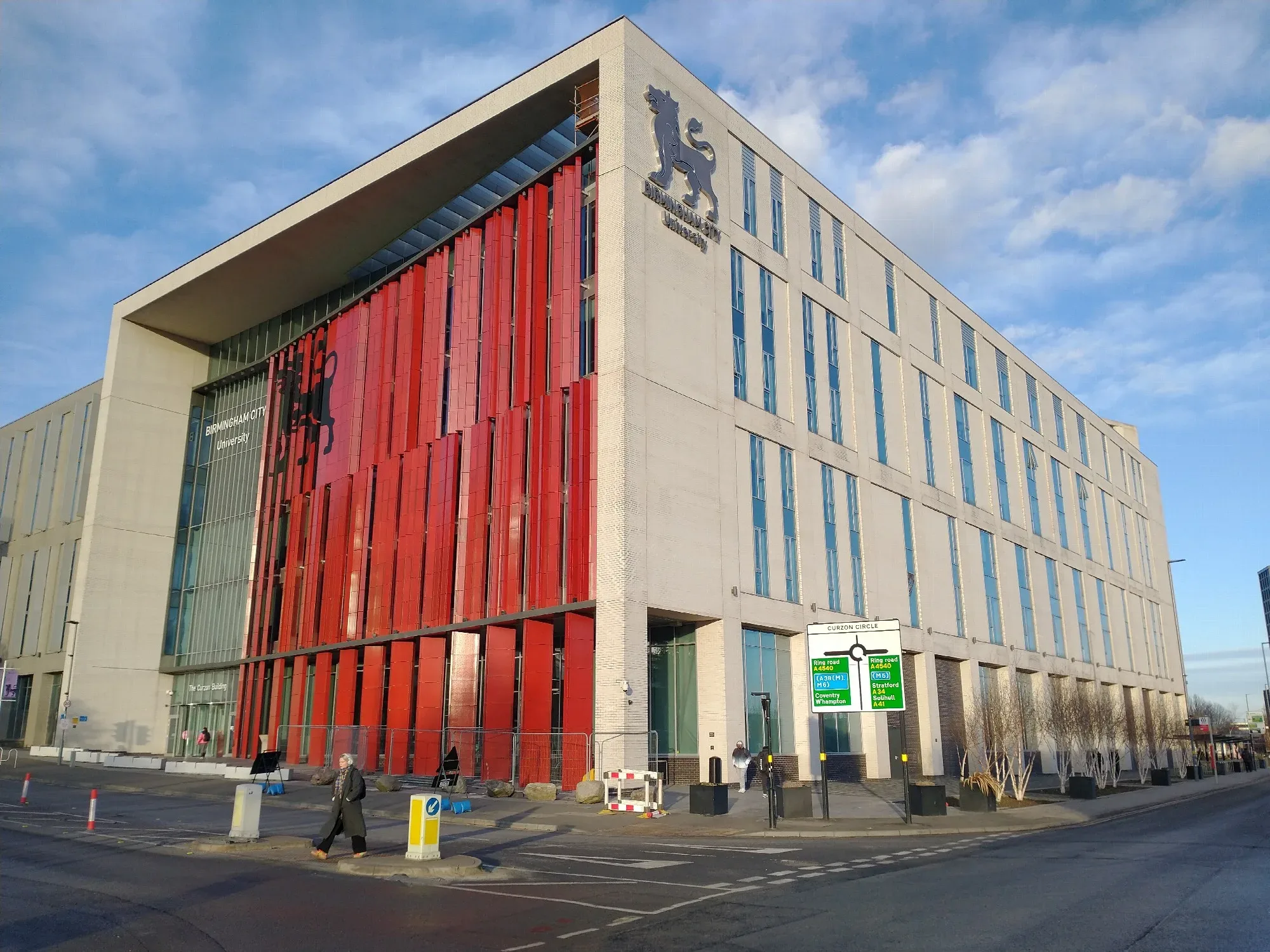
Birmingham City University is to train its own students as energy advisers, paying them to help fellow students, staff and local households cut their bills and stay warm this winter.
The Student Energy Advice Network, known as SEAN, is a partnership between BCU and Students Organising Sustainability UK (SOS-UK), an education charity focused on sustainability. It aims to tackle fuel poverty, improve people's understanding of energy, and develop a new generation of workers with green skills.
Free, personal advice
Under the scheme, trained student energy advisers will give free, personalised support to other students, university staff and people in the wider community.
That advice will cover practical ways to save energy, how to understand bills and tariffs, how to make a home more comfortable, and how to cut the amount of energy a household uses. For many people, especially those renting for the first time, energy bills and tariffs can be confusing, and simple changes can make a real difference.
Recruitment for the student adviser roles is expected to begin this month, November 2026, with Student Energy Advice Centres opening shortly afterwards.
Paid jobs and specialist training
The roles are paid, and the students taken on will receive specialist training from National Energy Action, the national fuel poverty charity. That gives them experience and skills that are increasingly in demand as homes and businesses look for ways to use less energy.
Mark Hopkins, senior sustainability officer at BCU, said: "Over the next two years, we hope the project will support thousands of households to save energy, reduce costs and improve their understanding of energy efficiency.
"We also expect this programme to have significant benefits for the students who are recruited into these paid positions, and we're excited to see the career skills they develop in these roles."
Funded by energy firms' redress payments
The project is funded by the Energy Redress Scheme. The scheme distributes money paid by energy companies that have breached the rules, using it to support energy consumers, particularly those who are vulnerable.
The university says the network reflects its commitment to sustainability and its Strategy 2030, which includes developing "talent for tomorrow" and helping prosperity in local communities. SEAN brings both together: help with bills for households, and paid work with real-world training for students.
Why it matters now
The timing is helpful. With November under way and colder nights ahead, heating costs are a growing worry for many households, and students living in shared houses are often among those least sure how to keep costs down.
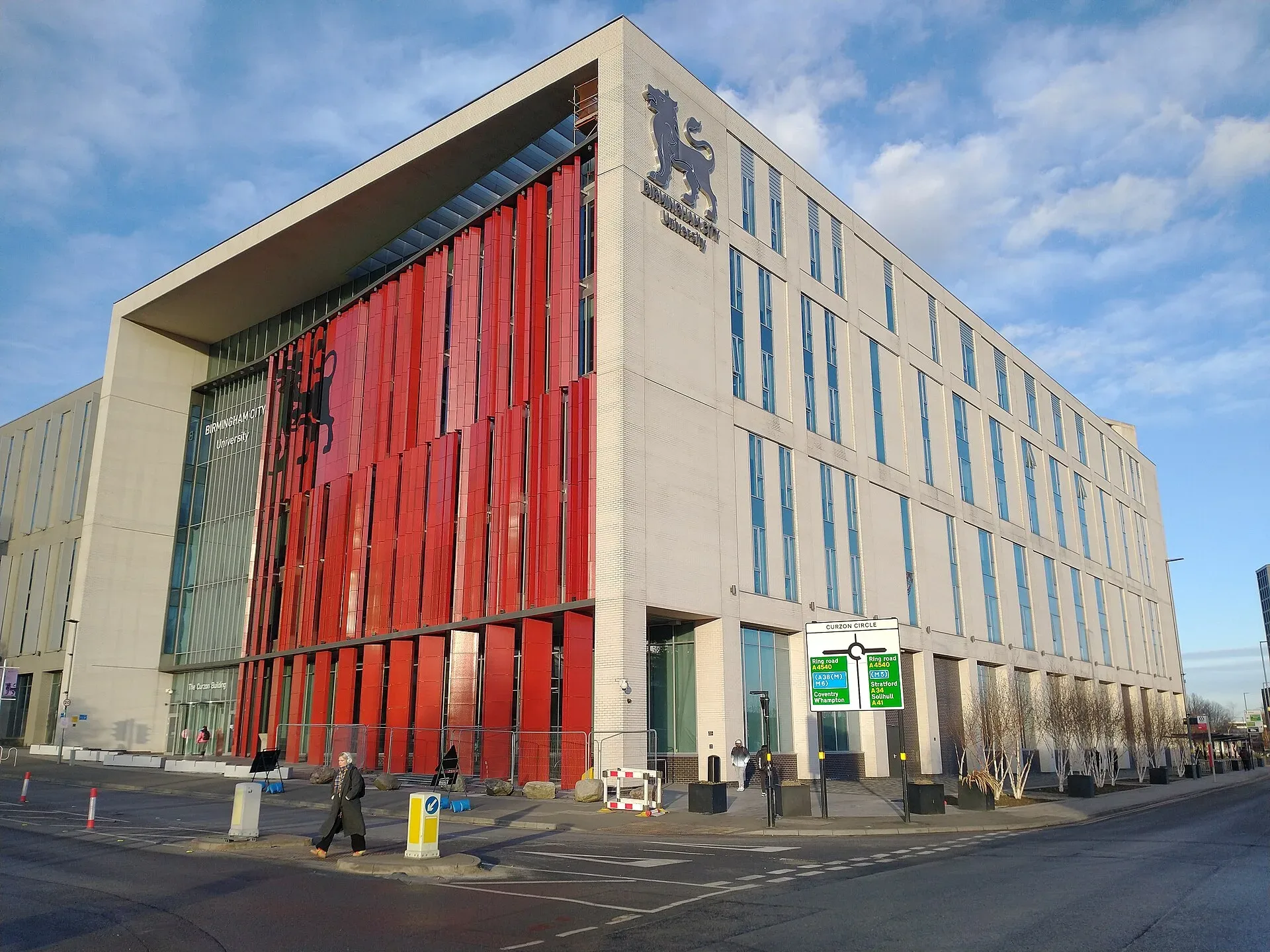
BCU's main city centre campus is in Eastside, close to Curzon Street, and the university has deep links with communities across Birmingham. A team of trained student advisers based there could reach many people who would not otherwise know where to turn for impartial advice.
Students interested in becoming energy advisers should look out for the roles being advertised by the university in the coming weeks.
More in Education
All

Latest news
Featured posts
-
Things to do
Top 10 places to visit in Birmingham
-
Food and drink
The 12 most popular food spots in Birmingham
-
Things to do
The best laser tag locations in Birmingham