The Birmingham Blitz
Birmingham was one of the most heavily bombed cities in Britain, yet its Blitz is one of the least remembered. This is its story.
During the Second World War, Birmingham was one of the most heavily bombed cities in Britain. Its factories made aircraft, weapons and vehicles for the war effort, which made the city a major target for German bombers. Between 1940 and 1943, air raids killed more than 2,000 people and destroyed thousands of homes.
A city at war
Birmingham's factories were vital to Britain's war effort. The Castle Bromwich Aircraft Factory built thousands of Spitfires, more than any other factory in the country. The Austin works at Longbridge made aircraft and military vehicles, and the Birmingham Small Arms Company made rifles and motorcycles. Many other factories switched to war work.
The first raids
The first bombs fell on Birmingham in August 1940. Over the following months, the raids grew heavier. The worst came in November 1940, when a series of heavy raids hit the city centre and industrial areas.
The BSA disaster
On the night of 19 November 1940, the Birmingham Small Arms factory in Small Heath was hit. Buildings collapsed, and dozens of workers were killed. It was one of the worst single incidents of the Blitz in the city.
Heavy damage
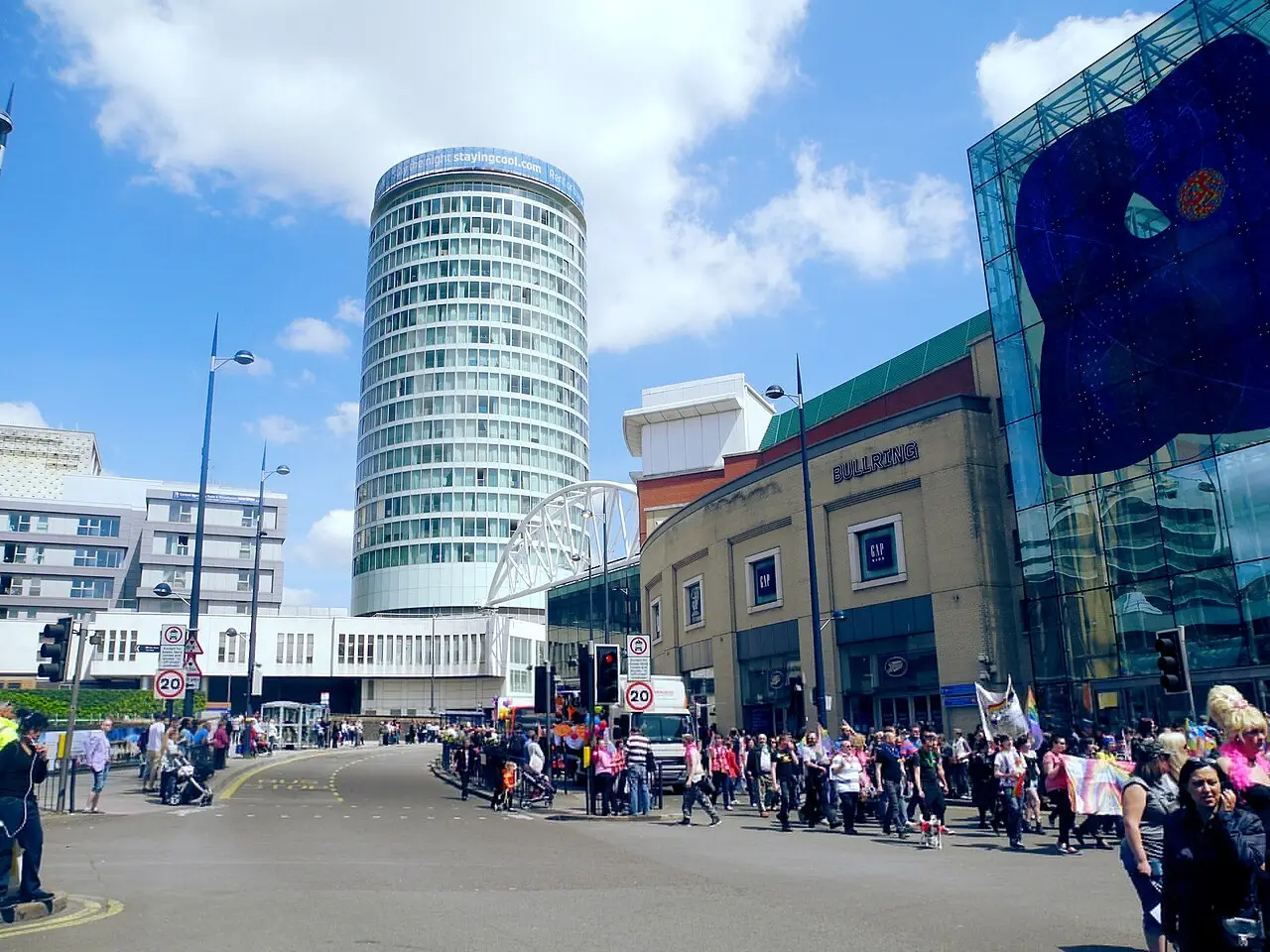
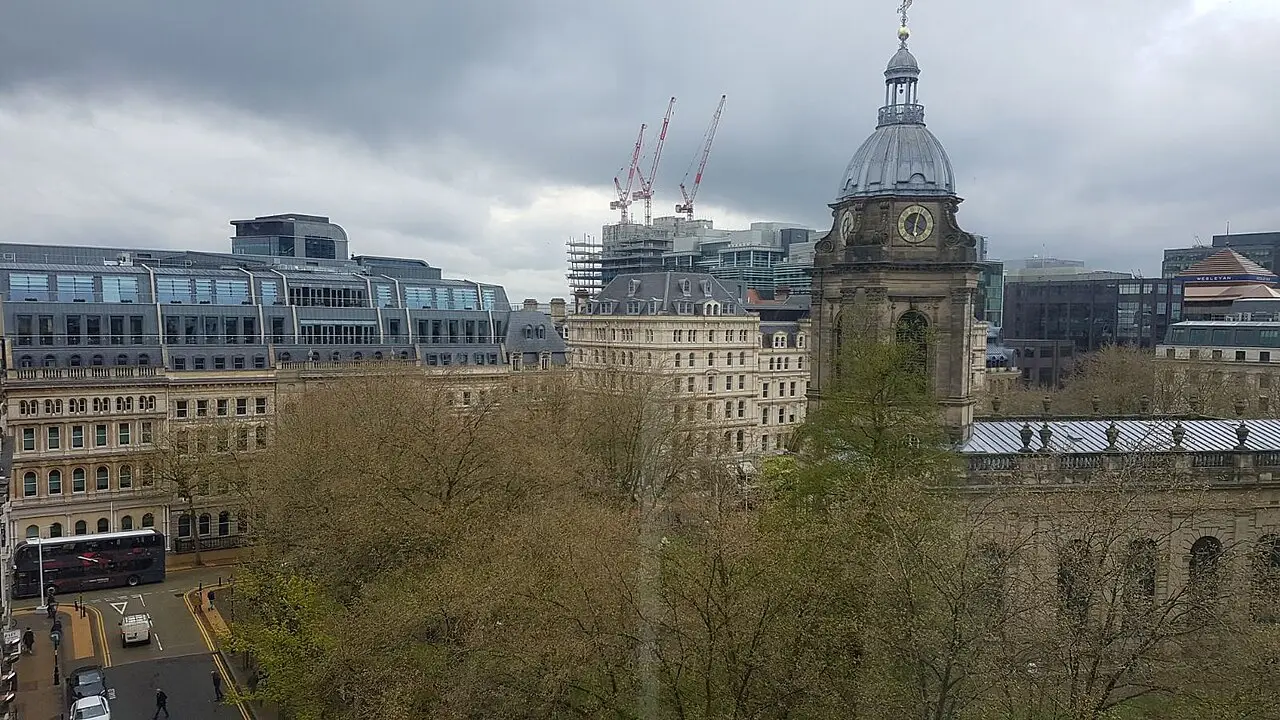
Many of the city's landmarks were damaged. The Bull Ring's Market Hall was gutted by fire in 1940, and its shell stood for many years afterwards. St Martin's Church and the Town Hall were damaged, and whole streets of homes were destroyed across the city.
Secrecy
For reasons of security, newspapers often did not name Birmingham in reports of the raids, describing it instead as a Midland town. As a result, the scale of the bombing was not widely known across Britain at the time, and the Birmingham Blitz is less well remembered than those of other cities.
Life under the bombs
People sheltered in Anderson shelters in their gardens, in public shelters and in cellars. Children were evacuated to the countryside, although many returned. Air raid wardens, firefighters and volunteers worked through the night to rescue people and put out fires.
The last raids
The heaviest raids ended in 1941, although occasional attacks continued until 1943. By then, much of the city had been damaged, and many families had lost their homes.
After the war
The damage caused by the Blitz, along with poor housing, led to a huge programme of rebuilding after the war. The city centre was redeveloped, and new estates and tower blocks were built across the city.
Remembering
In 2005, a memorial to the victims of the Birmingham Blitz, called the Tree of Life, was unveiled in the Bull Ring near St Martin's Church. It lists the names of those who died.
The Hall of Memory in Centenary Square remembers the people of Birmingham who died in both world wars.
The Library of Birmingham's archives hold photographs and records from the period, offering a vivid picture of the city at war.