


Coffin Works
Newman Brothers' coffin furniture factory, left as it was when the workers walked out in 1998
Birmingham's last coffin furniture factory, frozen in time
Alfred and Edwin Newman set up Newman Brothers as brass founders in 1882. In 1894 the firm moved to Fleet Street and began making coffin furniture: the handles, breastplates and shrouds that dress a coffin.
It kept going until 1998, when the business closed and the workers walked out for the last time, leaving the stock, tools and machines behind. The museum says the firm made fittings for the funerals of Winston Churchill, the Queen Mother and Princess Diana. The grade II* listed factory opened as the Coffin Works museum in 2014.
Guided tours take about 1 hour 15 minutes and include demonstrations of the Victorian machinery. Self-guided visitors get a booklet, a mobile tour and volunteers in every room.
The Casting Shop Café, in the factory's old casting shop, serves barista coffee and cakes. The museum's lift is out of service at the moment, so check before you go if you need it.
- Guided tours with working machinery
- Self-guided entry Friday to Sunday
- Café in the old Casting Shop
- Relaxed tours for additional needs
Tickets and tours
Standard prices; Gift Aid prices are 10% more. Concessions (over 60s and students) £8.50 self-guided. Under 5s free. National Trust members and Art Pass holders get 50% off self-guided entry. Book online until 9am on the day; walk-ins are welcome.
Guided tour
£11 per person
- About 1 hour 15 minutes
- Wednesday 11am and 1pm, Thursday 11am to 2pm hourly
- Friday to Sunday 11am
Self-guided entry, adult
£9.50 per person
- Friday to Sunday, 12pm to 3pm
- Booklet and mobile tour
Self-guided entry, child
£5.50 aged 5 to 16
- Under 5s free
Self-guided family ticket
£27.50 2 adults, up to 3 children
- 1 adult and up to 3 children: £20
Reviews
Sign in to write a reviewNo reviews yet
Been to Coffin Works? Your review helps other people in Birmingham choose.
Questions people ask
Where is Coffin Works?
Coffin Works is at 13-15 Fleet Street, Jewellery Quarter, Birmingham, B3 1JP. Look for the teal MUSEUM banner and hanging sign, a short walk from the back of the Museum and Art Gallery. Use "Open in Google Maps" on this page for directions.
Does Coffin Works have a website?
Yes - its website is coffinworks.org.
When is Coffin Works open?
Open Wednesday to Sunday from 10.45am. Self-guided entry is Friday to Sunday only, on the half hour from 12pm to 3pm.
What does Coffin Works offer?
Alfred and Edwin Newman set up Newman Brothers as brass founders in 1882. In 1894 the firm moved to Fleet Street and began making coffin furniture: the handles, breastplates and shrouds that dress a coffin. It kept going until 1998, when the business closed and the workers walked out for the last time, leaving the stock, tools and machines behind. The museum says the firm made fittings for the funerals of Winston Churchill, the Queen Mother and Princess Diana. The grade II* listed factory opened as the Coffin Works museum in 2014. Known for: Guided tours with working machinery; Self-guided entry Friday to Sunday; Café in the old Casting Shop; Relaxed tours for additional needs.
Can I book online?
Yes - use the "Book a guided tour" button at the top of this page.
How do I contact Coffin Works?
Call 0121 233 4785.
Is there parking?
The nearest off-road parking is Ludgate Hill car park, with an NCP on Newhall Street. Pay and display on Fleet Street is 2 hours, and on-street parking in the Jewellery Quarter is free after 6pm, on Sundays and on bank holidays.
Keep exploring
More Museums & Attractions in Birmingham
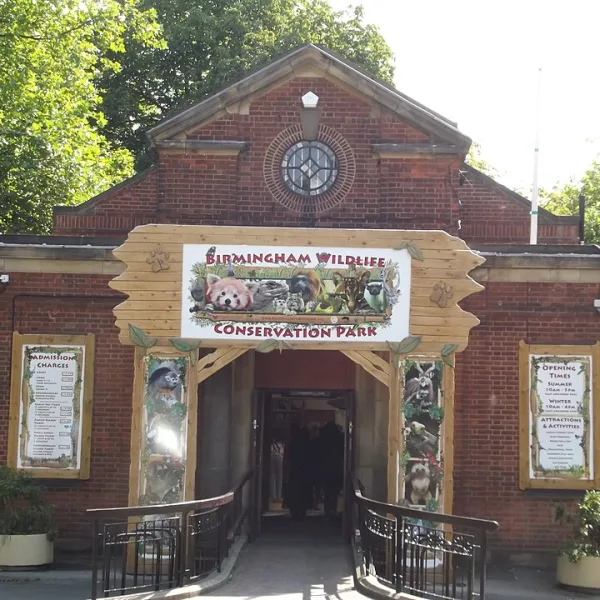
Birmingham Wildlife Conservation Park
Museums & Attractions - Edgbaston
Red pandas, monkeys, lynx and a Komodo dragon on the edge of Cannon Hill Park

National SEA LIFE Centre Birmingham
Museums & Attractions - Westside & Brindleyplace
Sharks, a giant green turtle, gentoo penguins and the UK's first rescued sea otters, on the canal at Brindleyplace
Black Country Living Museum
Museums & Attractions - Dudley
Streets, shops, a pub and a mine rebuilt in Dudley, telling the Black Country story from 1712 to 1968