
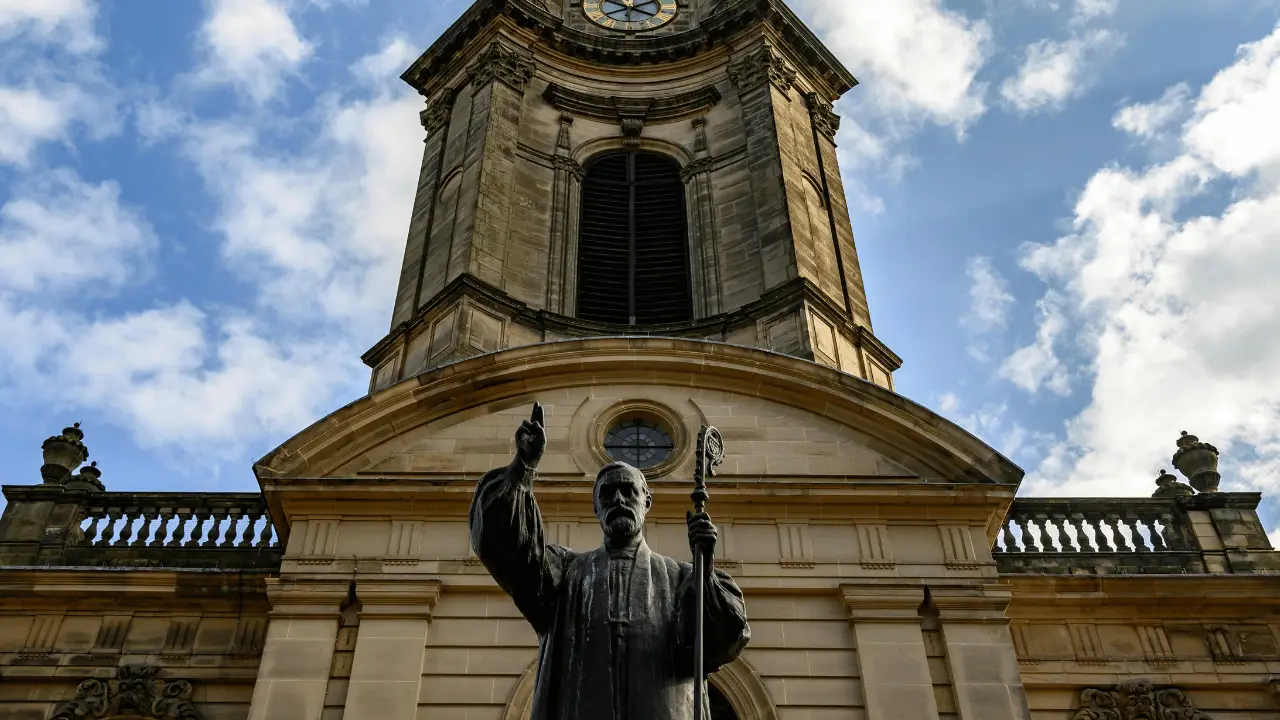
In the middle of Birmingham's business district, surrounded by office workers eating lunch on the grass, stands one of the city's quiet treasures. St Philip's Cathedral is one of the smallest cathedrals in England, but what it lacks in size it more than makes up for in beauty, history and one of the finest sets of stained glass windows you will see anywhere in the country.
From parish church to cathedral
St Philip's was built in the early eighteenth century as a parish church for a rapidly growing town. It was designed by the architect Thomas Archer and completed around 1715, in the English Baroque style that was fashionable at the time. With its elegant tower topped by a graceful dome and lantern, it was a statement of confidence for a town that was starting to make its mark.
Birmingham grew enormously over the following two centuries, and in 1905 the new Diocese of Birmingham was created. St Philip's became its cathedral, giving the city a mother church without the need to build a new one. That is why the cathedral feels more intimate than many of its medieval counterparts: it was never designed to be one.
The Burne-Jones windows
The real reason many people visit is the glass. Edward Burne-Jones, one of the leading artists of the Pre-Raphaelite movement, was born in Birmingham and baptised at St Philip's. Later in life he designed four magnificent windows for the church, which were made by Morris and Co, the firm founded by his close friend William Morris.
The windows depict the Nativity, the Crucifixion, the Ascension and the Last Judgement. The Ascension window came first, in the 1880s, and the others followed in the 1890s. The colours are extraordinary, particularly the deep reds and blues, and the figures have the flowing, dreamlike quality that is typical of Burne-Jones's work. On a bright day, the light pouring through them fills the interior with colour.
The Last Judgement window, at the west end, is often singled out as the most dramatic. Its fiery reds and the dramatic sweep of the composition make it one of the most powerful images in the building. Take a moment to sit in front of each window in turn, as the details reward slow, careful looking.
Burne-Jones never forgot the city of his birth. His windows at St Philip's are a gift from one of Birmingham's greatest artists to the church where his own story began.
Inside the cathedral
Beyond the windows, the interior is light, elegant and calm. The Georgian architecture gives it a sense of order and proportion, with tall columns, galleries and a beautifully decorated ceiling. It is a working cathedral with regular services, music and events, so there is often something happening, from choral evensong to concerts and exhibitions.
The cathedral's music tradition is strong, and hearing the choir sing in this space is a memorable experience. If you can, time your visit to coincide with a service or a recital.
Pigeon Park
The churchyard surrounding the cathedral is known to locals as Pigeon Park, for reasons that become obvious as soon as you sit down with a sandwich. It is one of the few green spaces in the heart of the business district, and on a sunny lunchtime it fills with office workers, shoppers and students taking a break from the city around them.
Look out for the historic monuments and gravestones dotted around the grounds, including memorials that reflect the long history of the site and the people of Birmingham who have been connected with it over the centuries.
Visiting St Philip's
- Admission is free, though donations towards the upkeep of the building are welcome.
- Check opening times before visiting, as services and special events may affect access to parts of the building.
- Visit on a sunny day to see the windows at their most vivid.
- Be respectful. It is a place of worship, so keep noise down and follow any guidance on photography.
- Pair it with a walk through Colmore Row and on to Victoria Square, just a few minutes away.
Why it matters
St Philip's is a reminder that some of Birmingham's best experiences are hiding in plain sight. Thousands of people pass it every day on their way to work without stepping inside. Next time you are in the city centre, take twenty minutes to do just that. The windows alone are worth the visit, and you may find the calm of the cathedral a welcome pause in a busy day.
About the author
Discover Brum Editorial Team
The Discover Brum editorial team covers the people, places and stories that make Birmingham - from its canals and landmarks to the pubs, food and events worth knowing about. Got a story the city should hear? We would love to hear from you.
Featured posts
-
Things to do
Top 10 places to visit in Birmingham
-
Food and drink
The 12 most popular food spots in Birmingham
-
Things to do
The best laser tag locations in Birmingham
Keep reading
More from the blog
 Events and Whats On
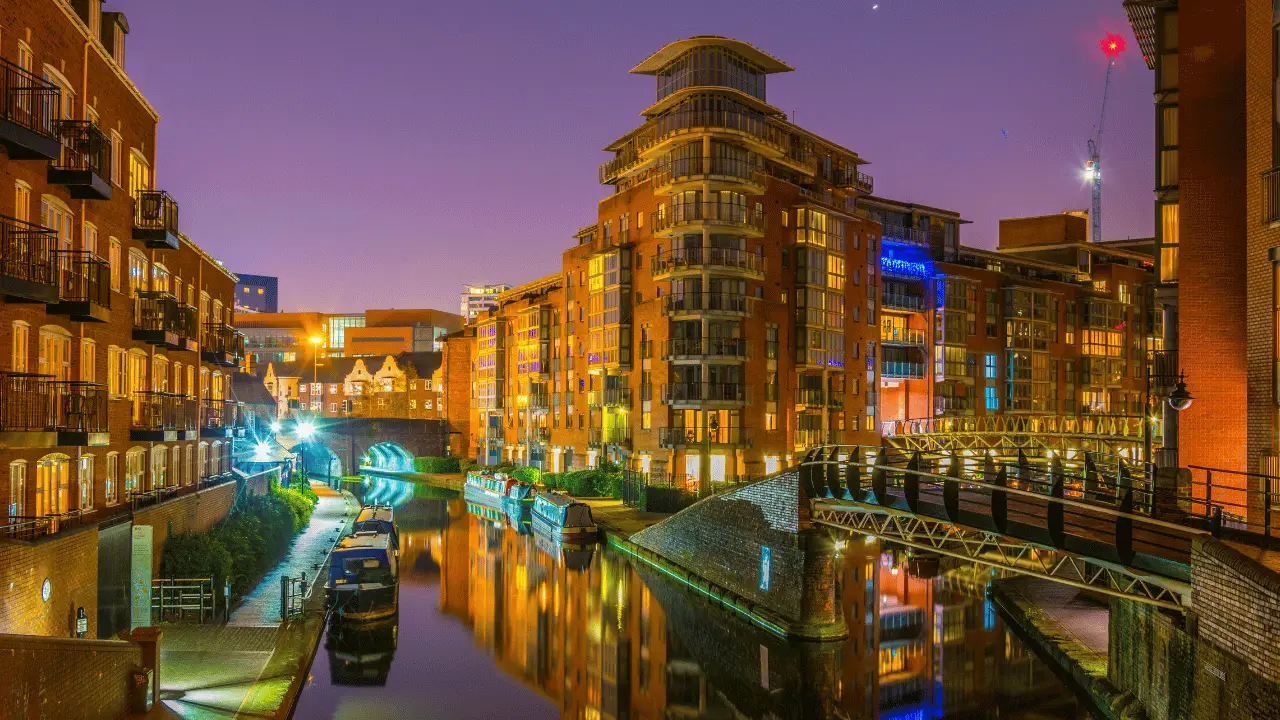
Birmingham after dark: where to see the city lit up
Birmingham is a different city after sunset. The concrete and glass that can look workmanlike by day turns theatrical once the lights come on, and places you walk past wi...
Discover Brum Editorial Team
5 min read
 Guides and How To
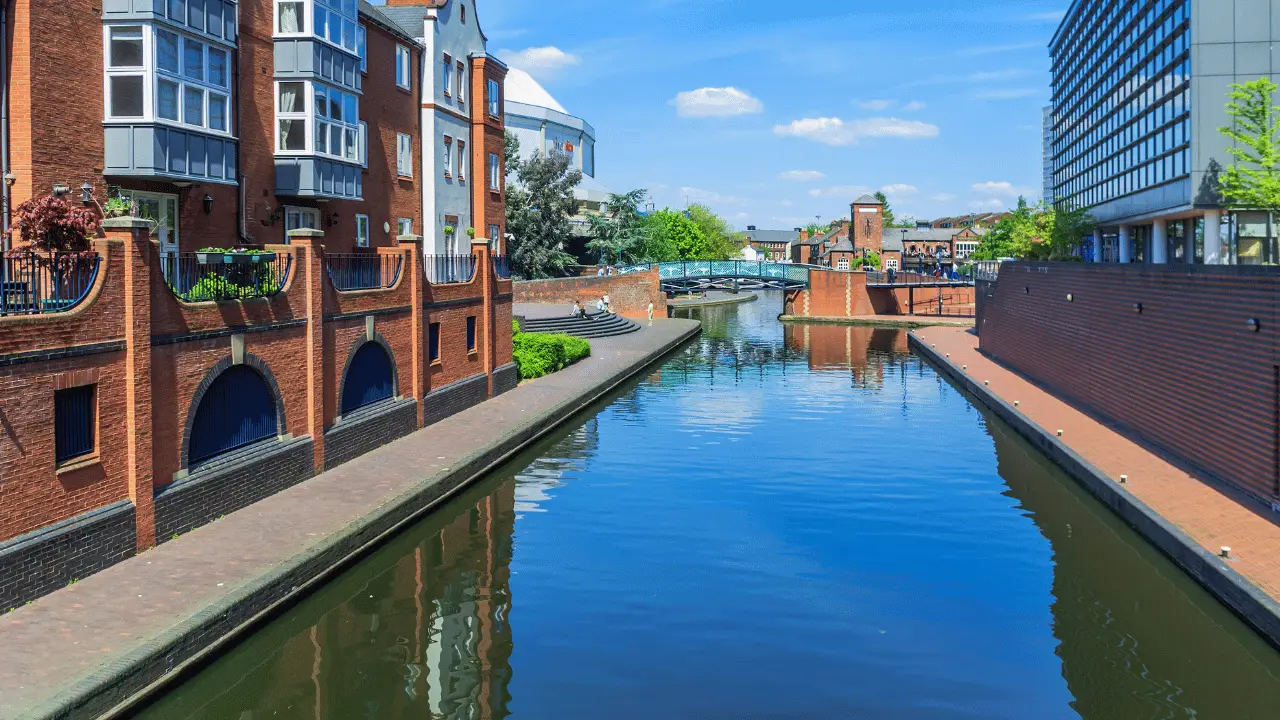
A day along the Birmingham canals
Ask anyone who has lived here a while and they will tell you the same thing: the best way to understand Birmingham is from the water's edge. The city grew up around its c...
Discover Brum Editorial Team
5 min read
 History
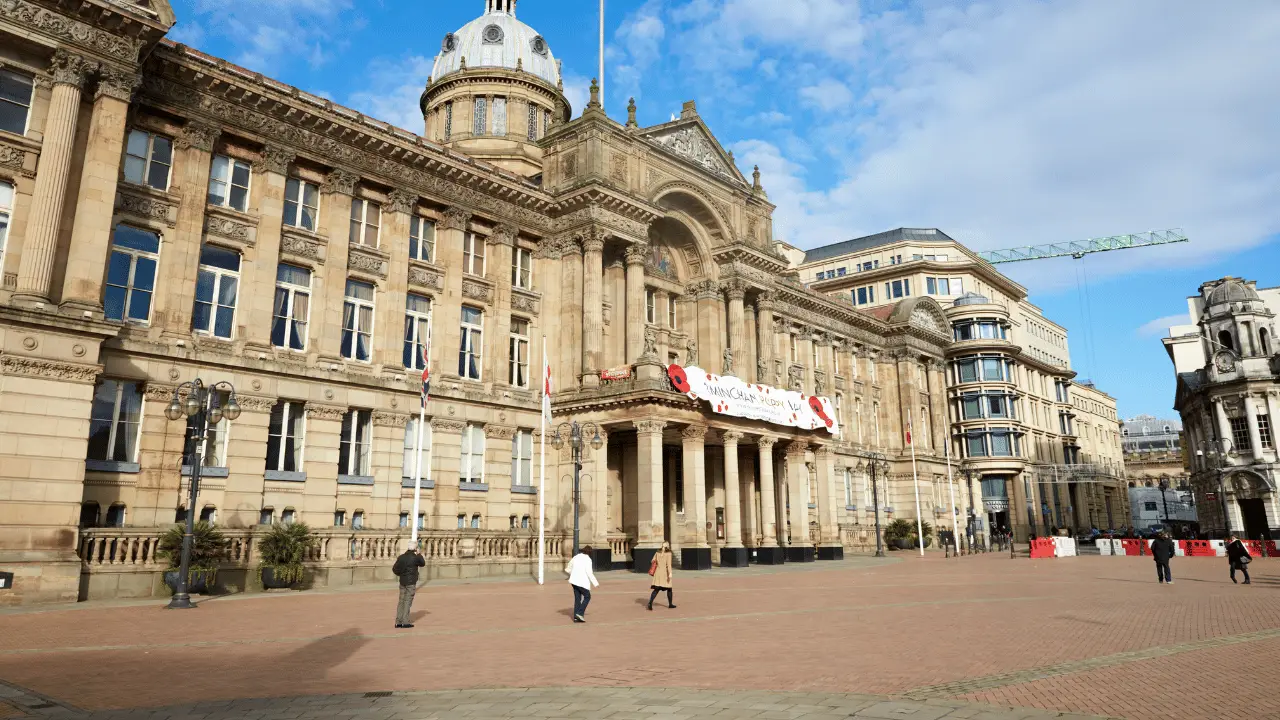
Victoria Square and the Council House: a short history
Every city has a room where it receives its guests, and in Birmingham that room is Victoria Square. Framed by the Council House, the Town Hall and the old Post Office bui...
Discover Brum Editorial Team
5 min read
 Guides and How To
A first-timer's guide to Birmingham city centre
Birmingham has spent years shaking off an outdated reputation, and first-time visitors are often surprised by what they find. The city centre is compact, walkable and pac...
Discover Brum Editorial Team
5 min read
 Culture and Heritage
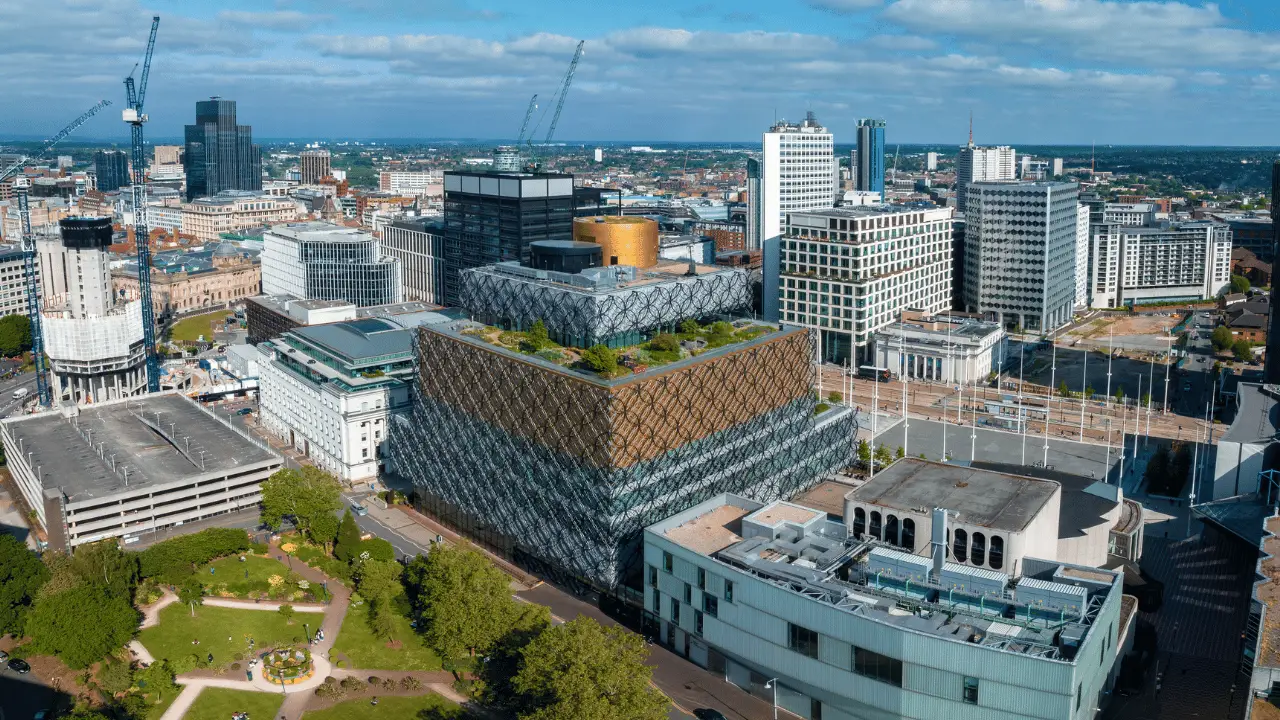
Inside the Library of Birmingham
Few buildings in Birmingham have divided opinion quite like the Library of Birmingham. When it opened in 2013, its stacked boxes and lace-like metal rings were unlike any...
Discover Brum Editorial Team
5 min read
 Food and Drink
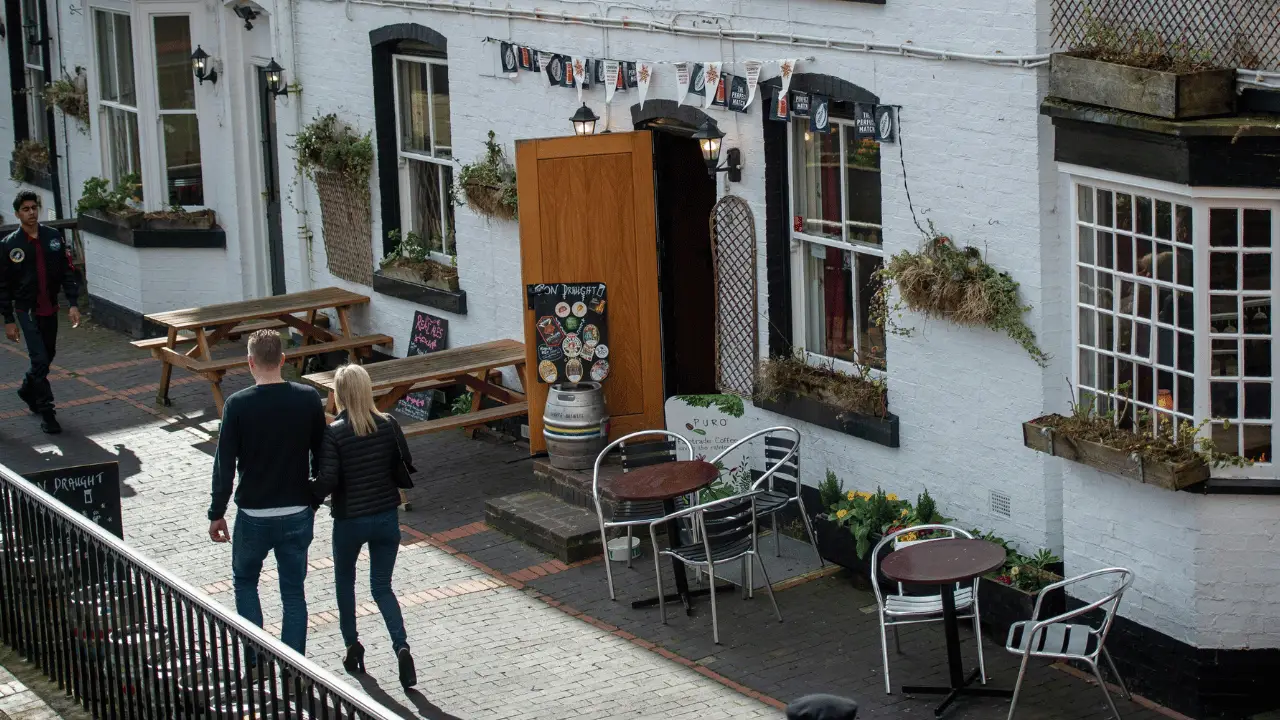
Five historic Birmingham pubs worth seeking out
Birmingham has never been short of places to drink, but the city's historic pubs are something special. Hidden among office blocks, tucked down side streets and standing...
Discover Brum Editorial Team
5 min read
 Transport and Travel
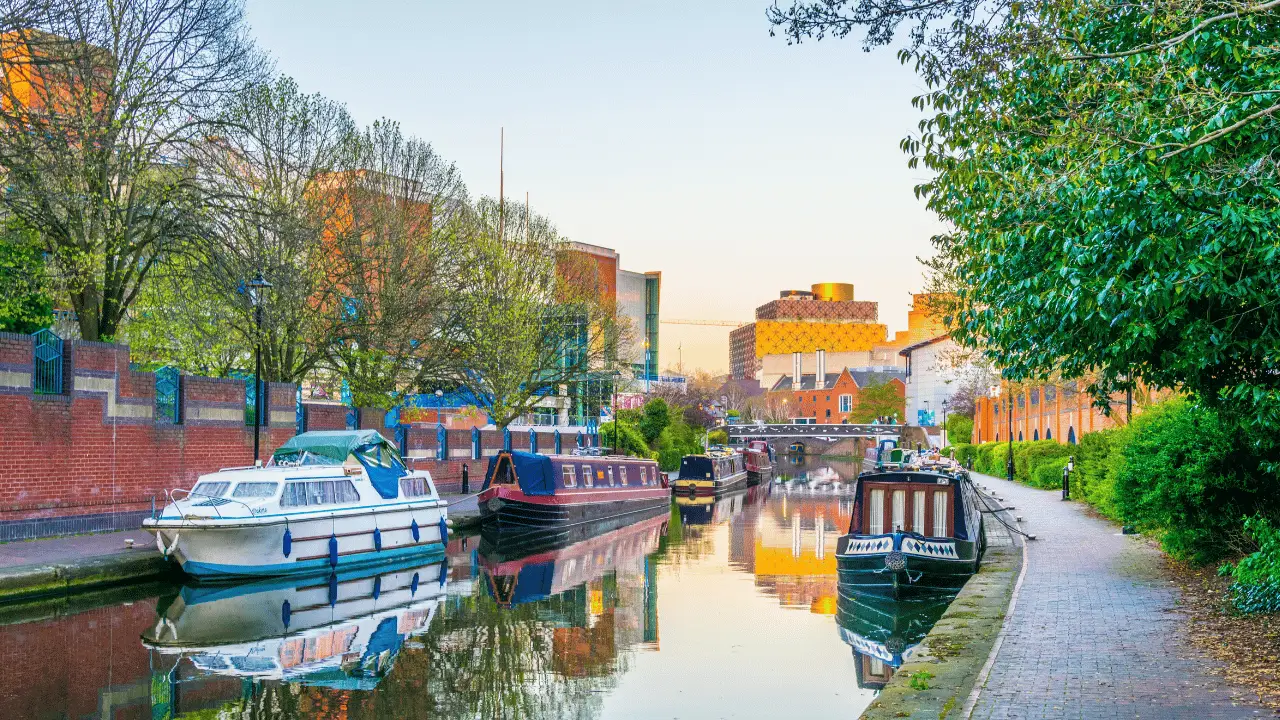
Cycling Birmingham's towpaths: a beginner's guide
If you have ever sat in traffic on the Bristol Road and wished there was a calmer way across the city, the answer has been running alongside you the whole time. Birmingha...
Discover Brum Editorial Team
5 min read
Hand-picked guides
More featured posts
Culture
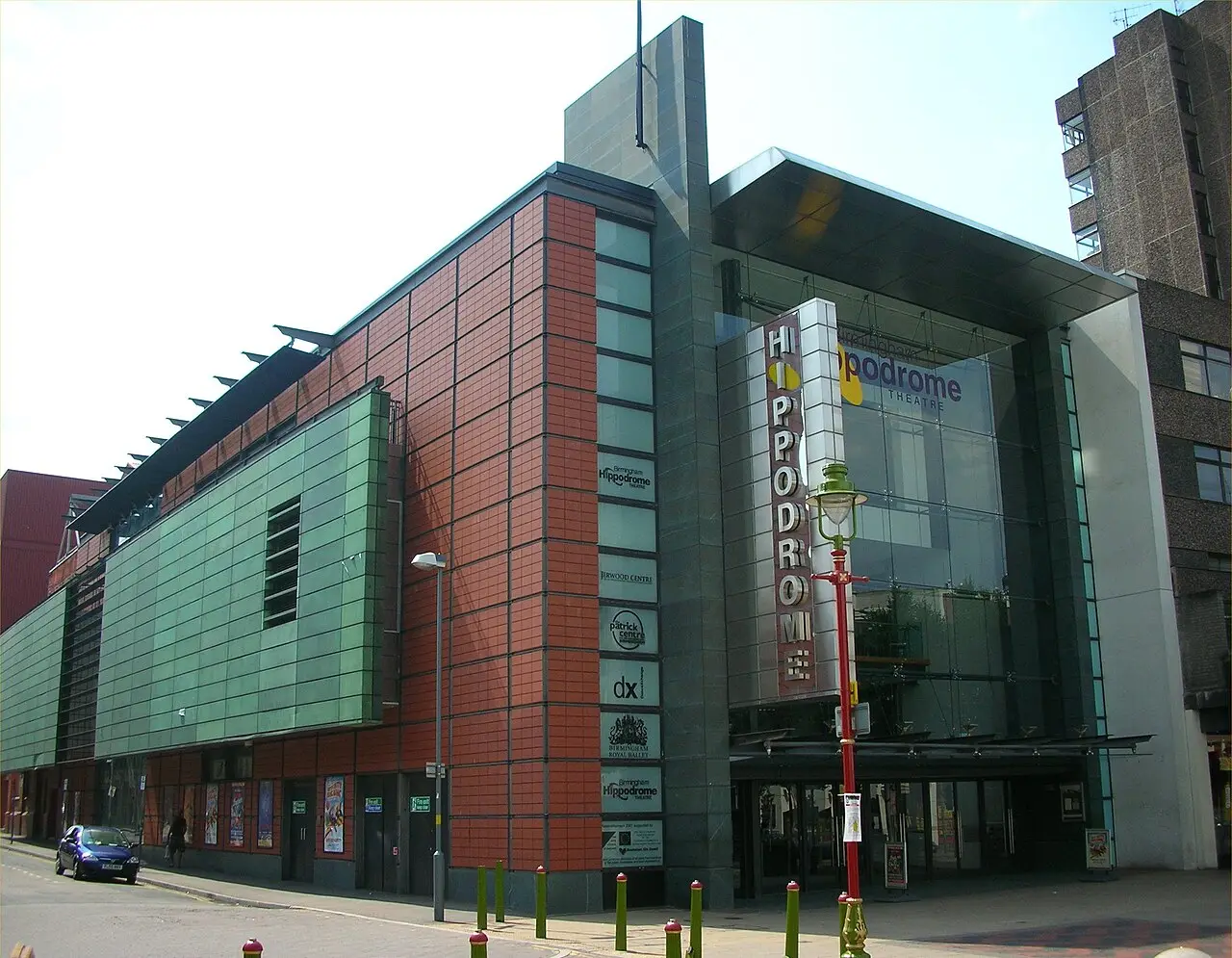
Birmingham culture: a guide to the city's creative life
A world-class orchestra, a royal ballet, the birthplace of heavy metal and the traditions of communities from across the globe.
3 min read
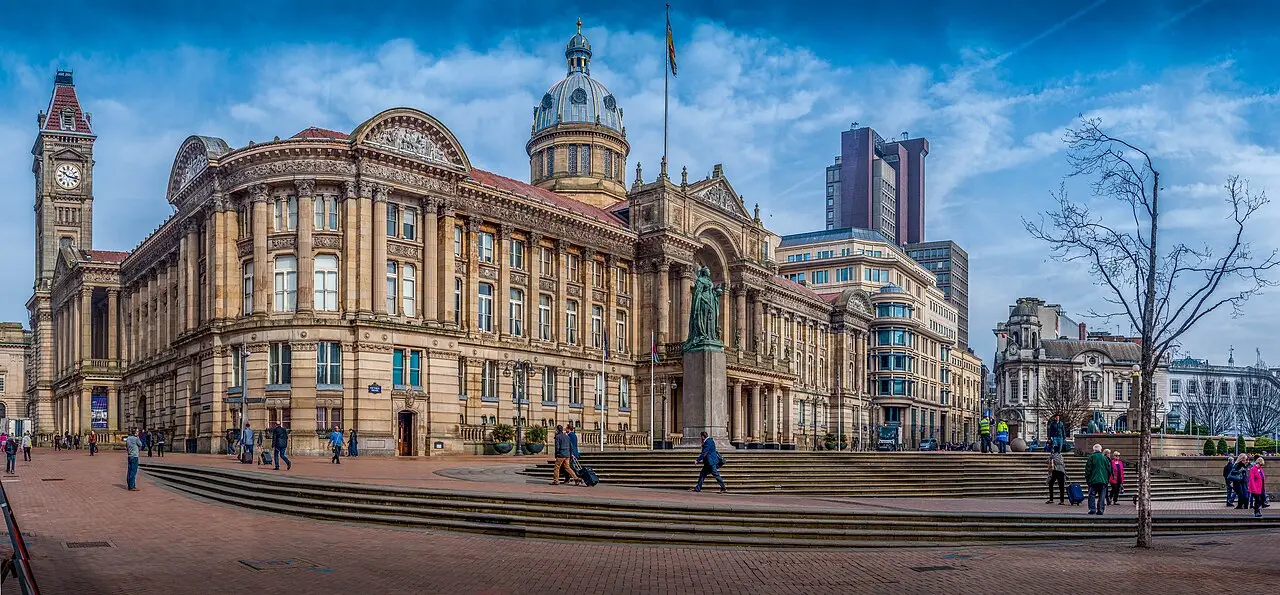
History
Birmingham history in the 1900s
Two world wars, the rise of the car, the Bull Ring and the ring road: how the twentieth century transformed Birmingham.
3 min read
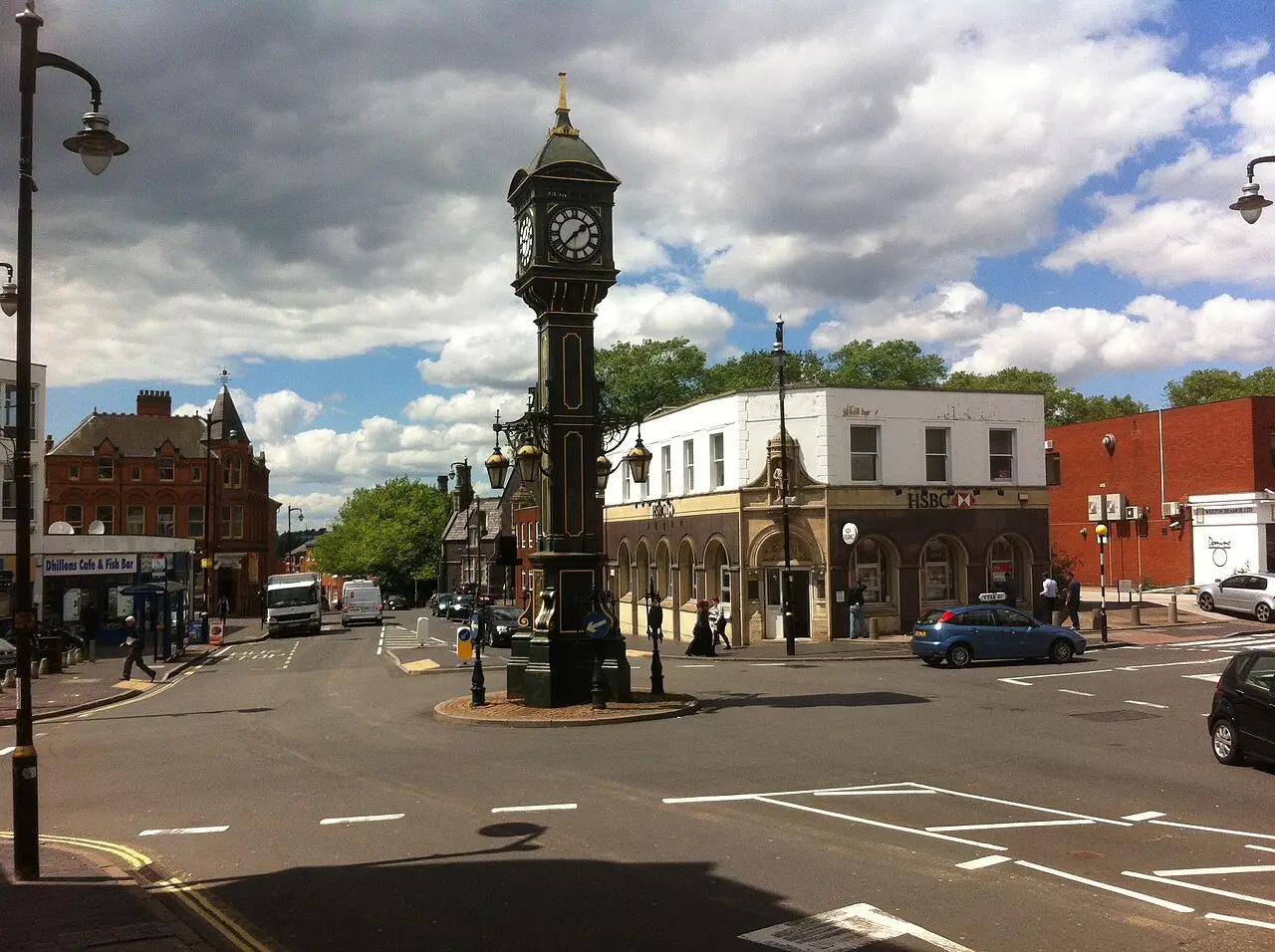
Neighbourhoods
Exploring the Jewellery Quarter
Working jewellers, a workshop frozen in 1981, Georgian squares and Victorian catacombs: a guide to one of Birmingham's best neighbourhoods.
3 min read
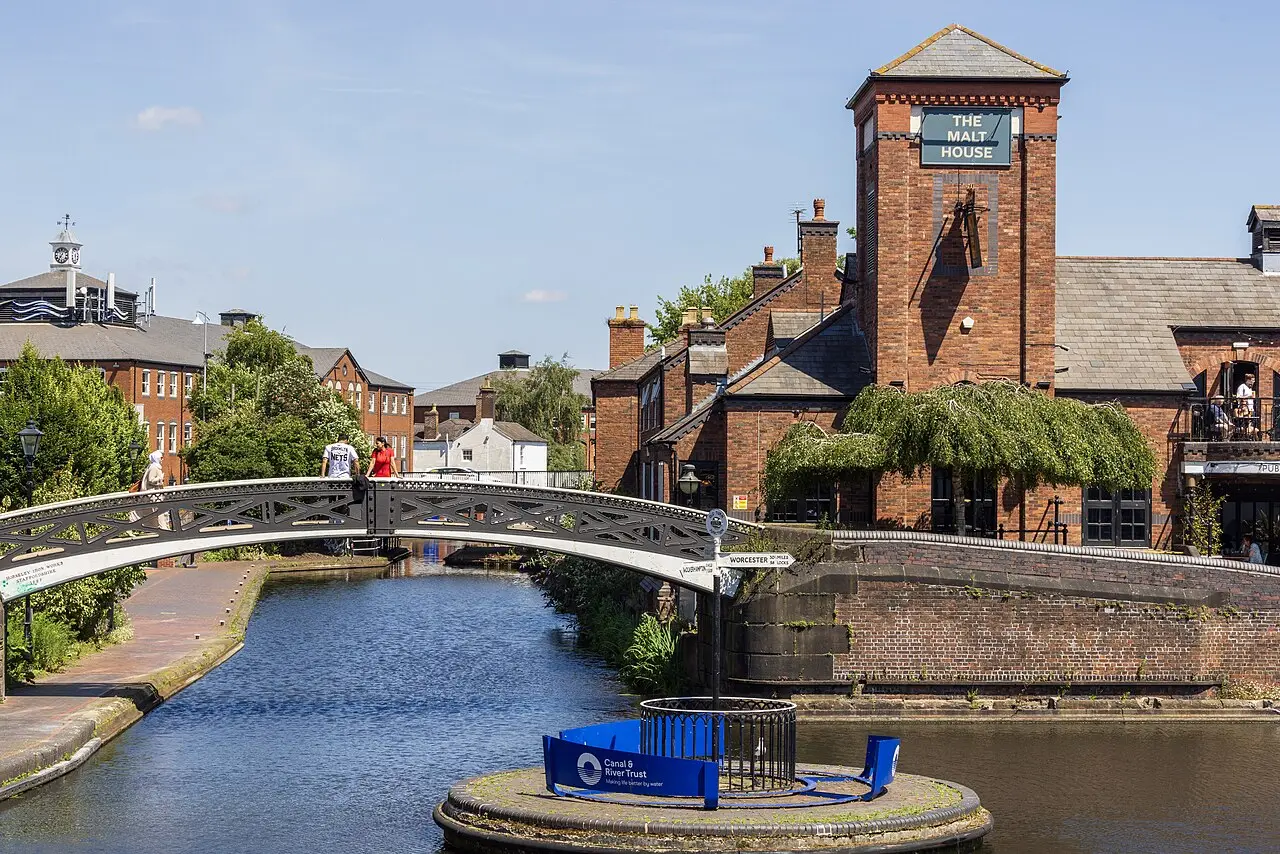
Things to do
Birmingham's canals: a guide to the waterways
Built for coal and iron, reborn for walkers and narrowboats: how to explore the canals at the heart of the city.
3 min read
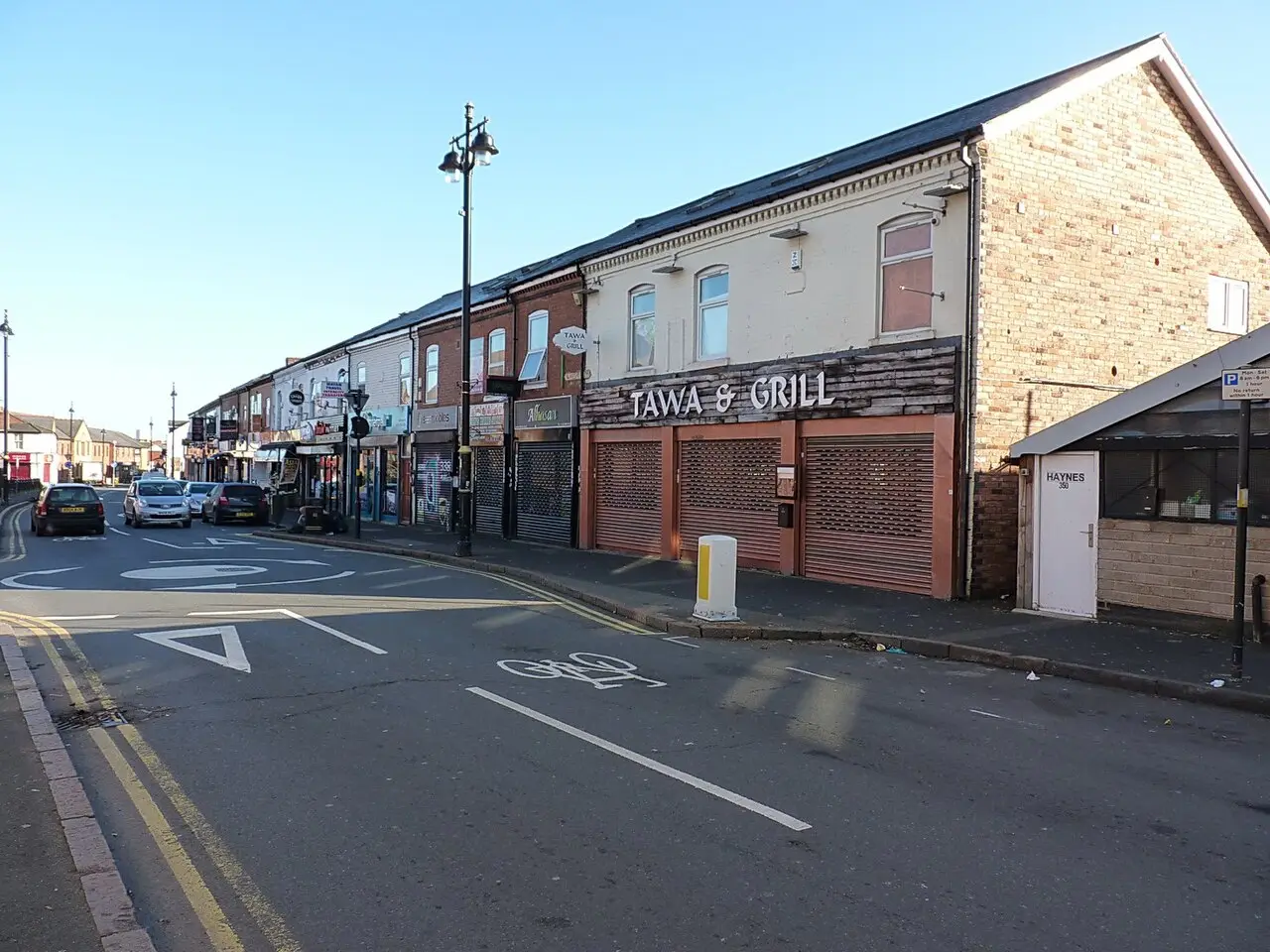
Food and drink
The Balti Triangle: Birmingham's gift to food
The balti was born in Birmingham. Here is where it came from, what makes it different, and where to eat one today.
3 min read
History
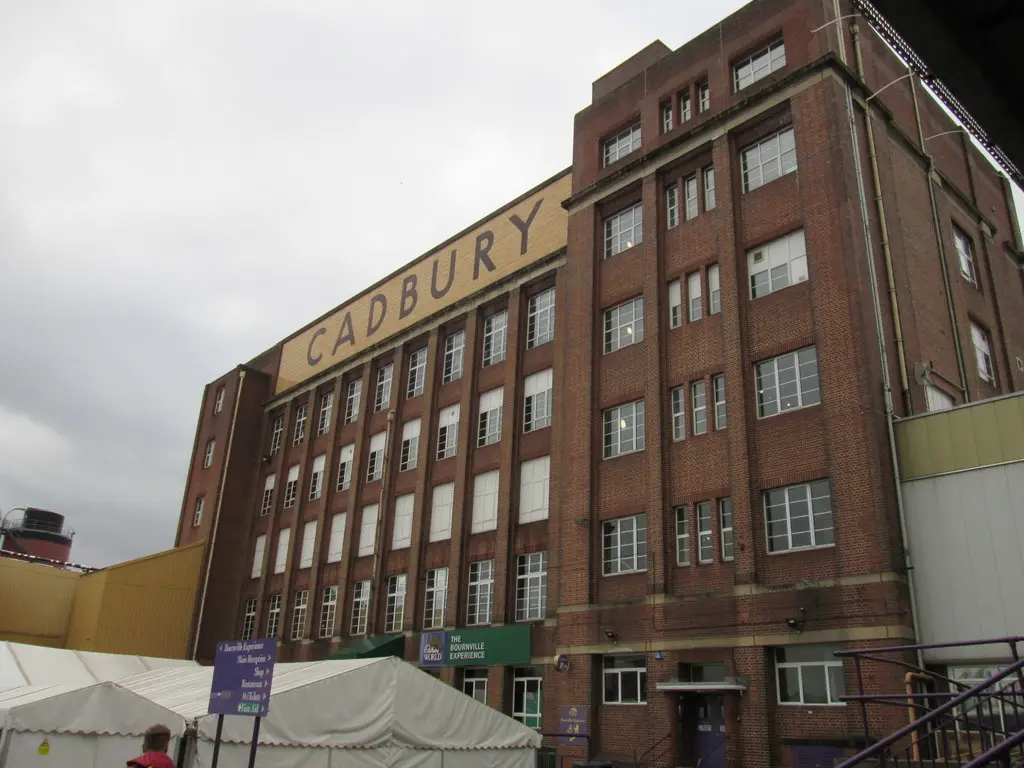
Cadbury and Bournville: the chocolate village
From a shop on Bull Street in 1824 to a factory in a garden: the story of Cadbury and the model village it built.
3 min read
Outdoors
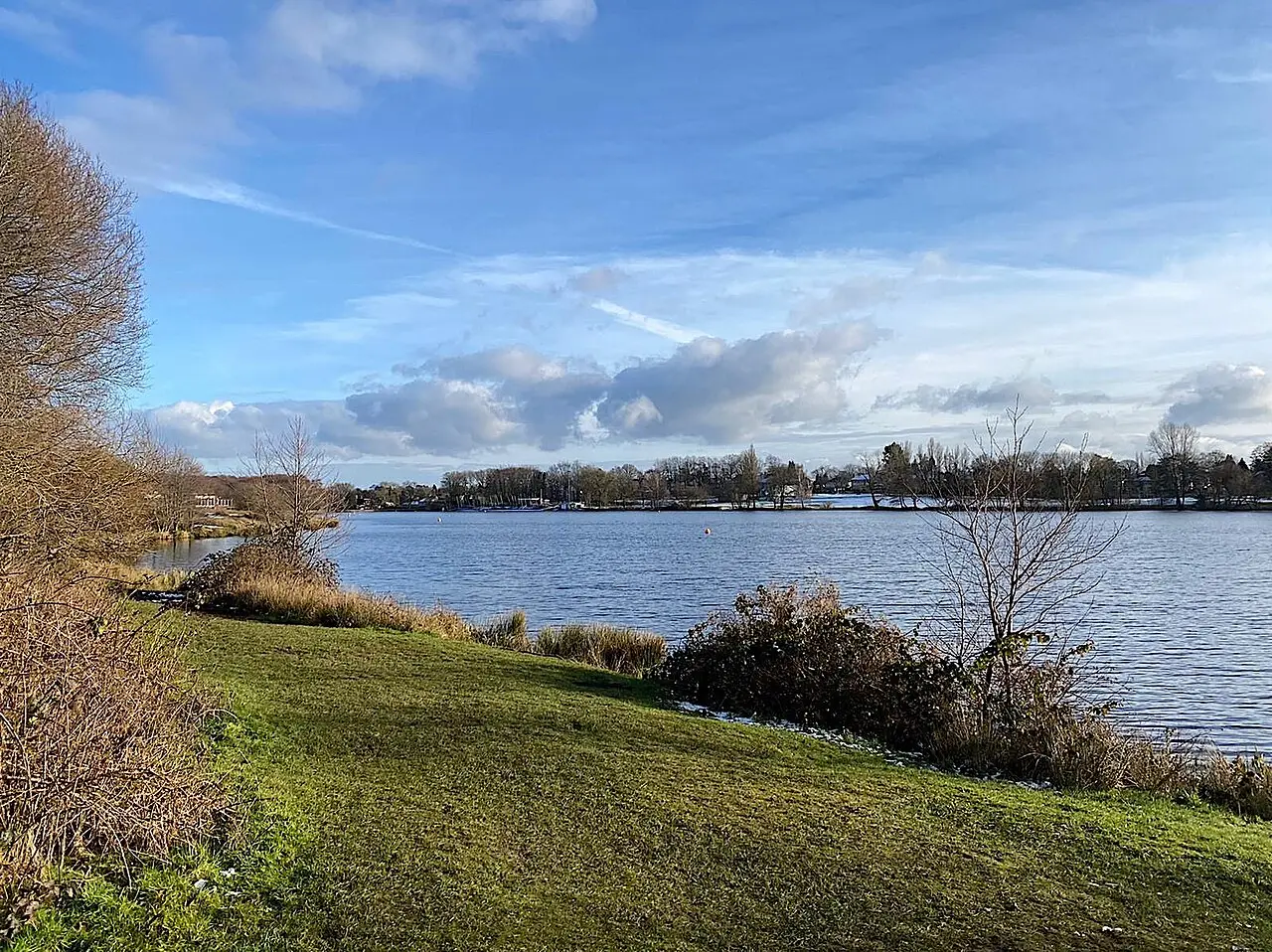
Birmingham's best parks and green spaces
Heathland, ancient woodland, Victorian parks and a bog that inspired Tolkien: the best places to escape the city.
3 min read
History
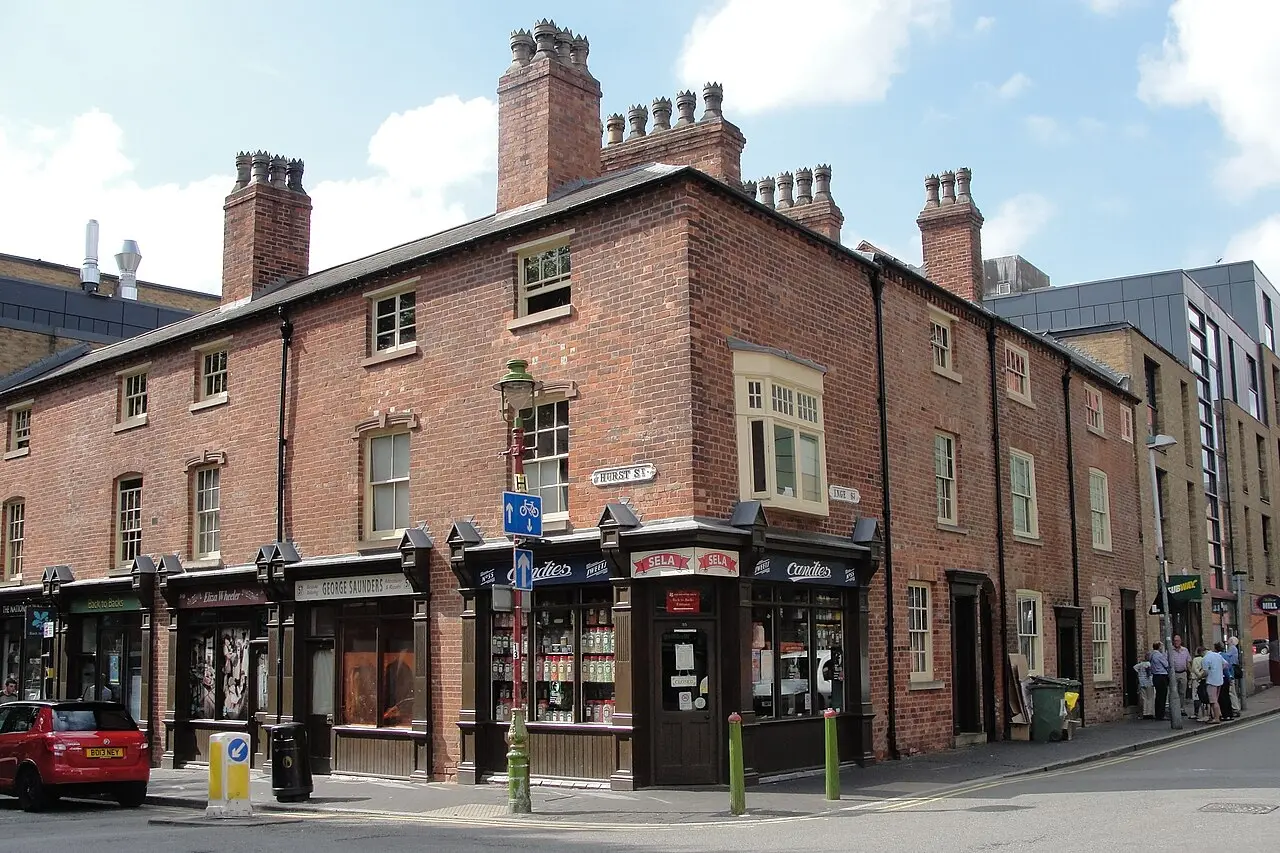
The real history of the Peaky Blinders
Peaked caps, bell-bottoms and a famous myth about razor blades: what we really know about Birmingham's street gangs.
3 min read
Culture
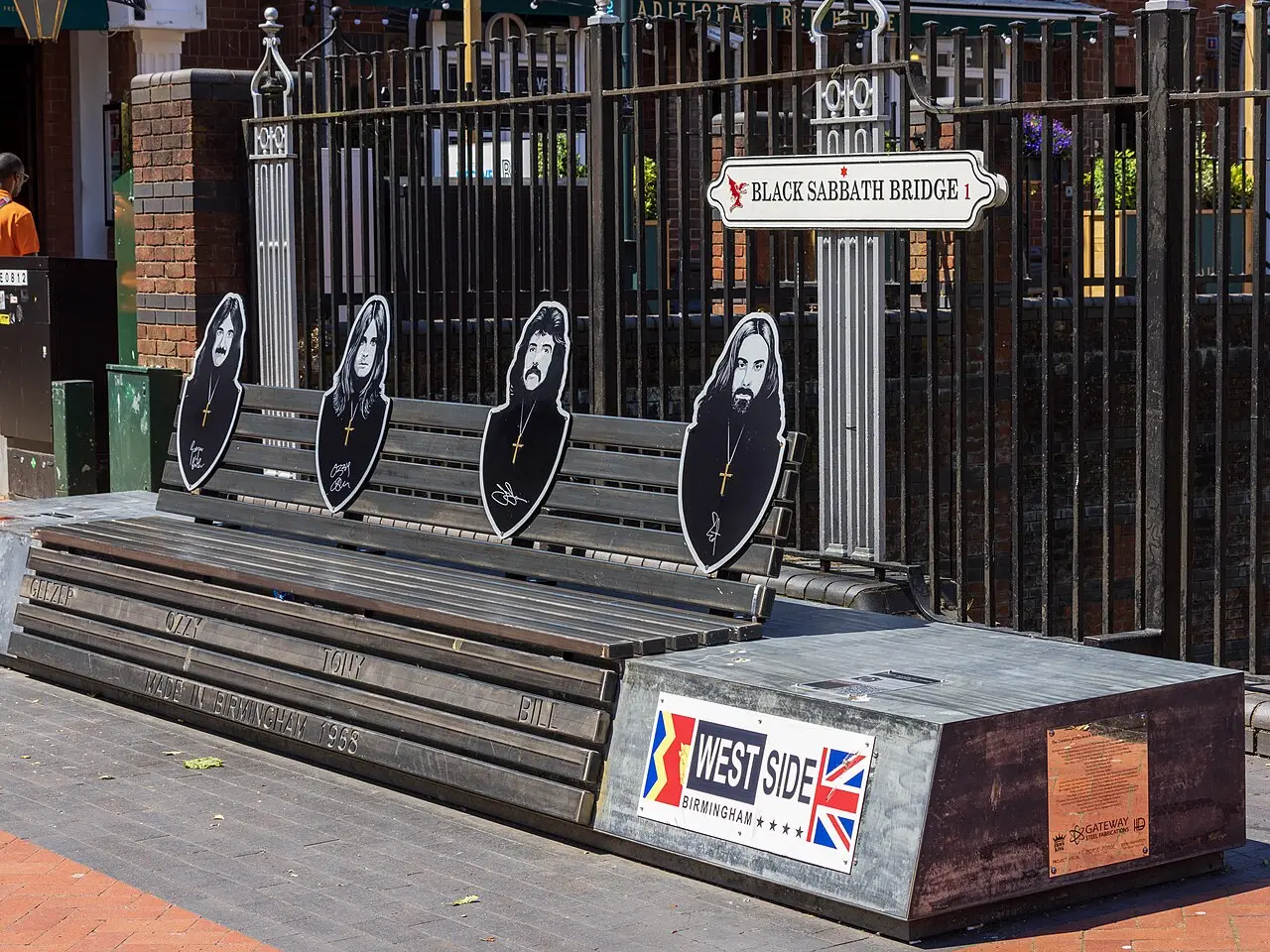
Birmingham's music heritage
Heavy metal, reggae, new romantics and more: the bands and artists Birmingham gave the world.
3 min read
Culture
Museums and galleries in Birmingham
Pre-Raphaelites, Anglo-Saxon gold, a Spitfire and a workshop left untouched since 1981: the city's best museums, many of them free.
3 min read