

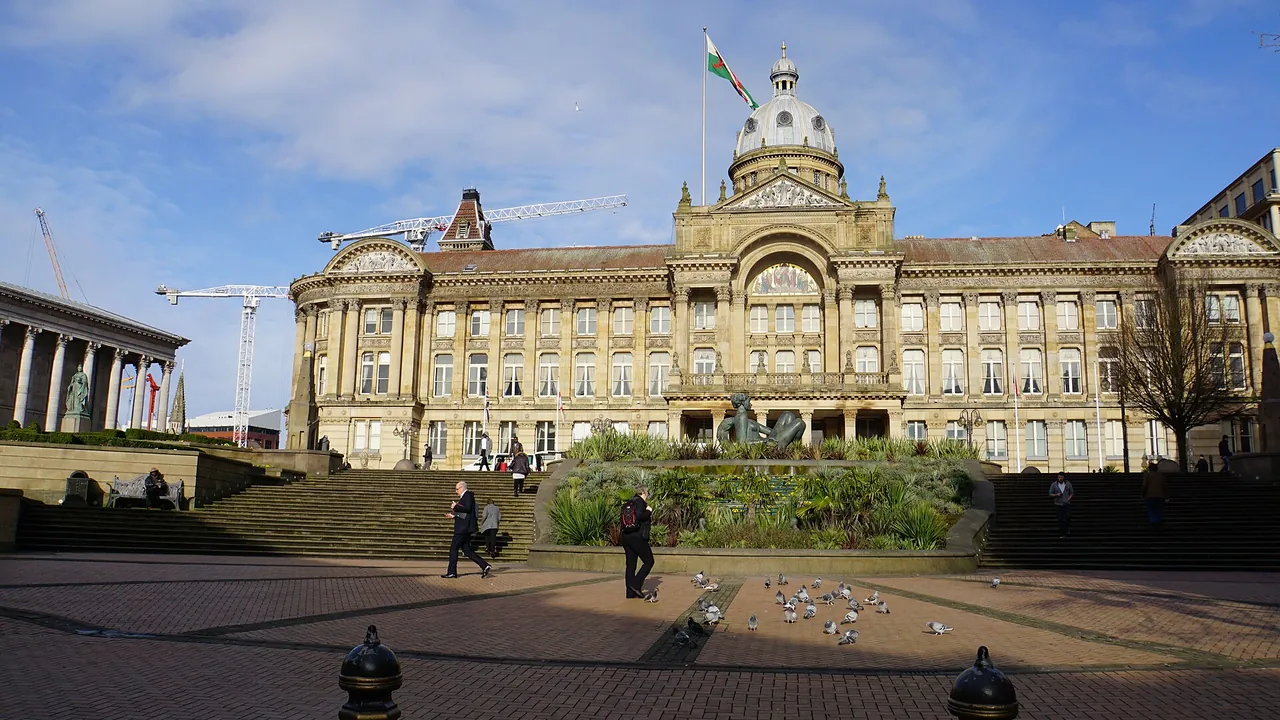
Birmingham's best-known sights are closer together than most visitors expect. A Roman-style concert hall, a Victorian council chamber with a clock tower, a bronze bull, a round 1960s tower and a canal basin all sit within the city centre, and the University of Birmingham's clock tower is a seven-minute train ride away. If it is your first time, this is a simple way to see them in a day.
Start at Victoria Square
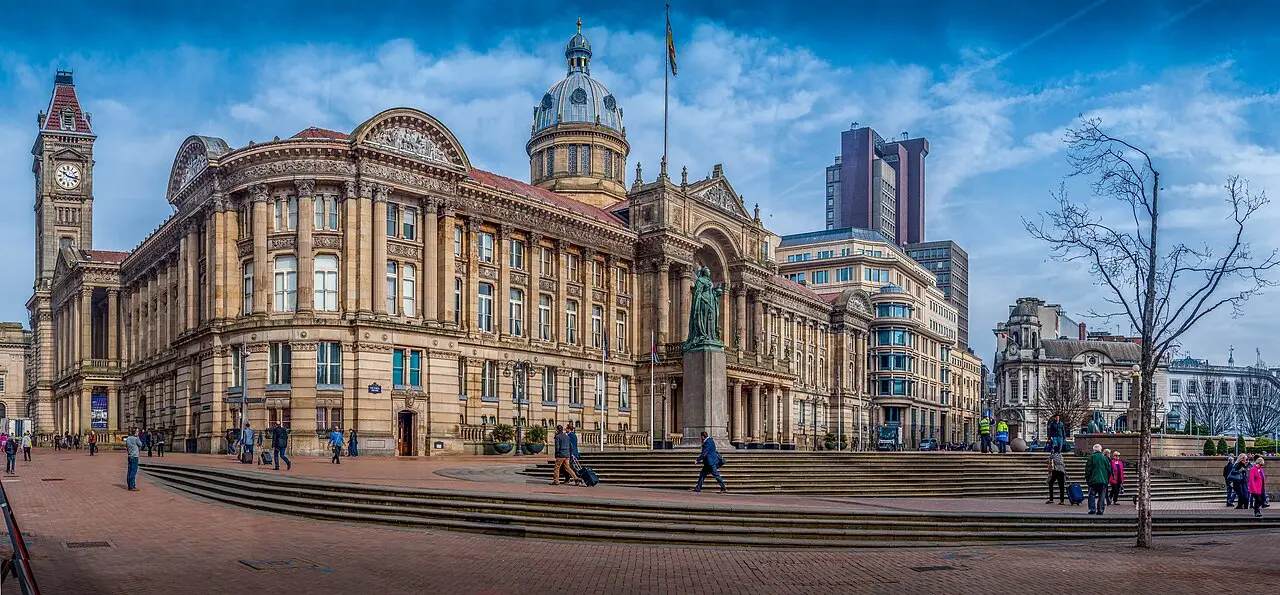
Victoria Square is the natural place to begin. Birmingham Town Hall stands on one side, with the Town Hall tram stop just by its front entrance. It opened in 1834, and its design was modelled on the Roman temple of Castor and Pollux. It is Grade I listed, and B:Music, the music charity that runs it, calls it a jewel in the city's crown.
Beside it is the Council House, built between 1874 and 1879 to a design by Yeoville Thomason and still the home of the city council. Its clock tower is known locally as Big Brum.
Seeing inside Town Hall
Town Hall does not keep day-time opening hours, and B:Music does not advertise regular public tours, so the way to see the hall is to book an event. The easiest is a Lunchtime Organ Concert. They start at 1pm on selected Mondays, last about an hour and cost £8.50, played by Birmingham City Organist Thomas Trotter on the organ William Hill built for the hall's opening. It now has over 6,000 pipes.
Down to the Bull
From Victoria Square, head down to the Bullring. Bullring dates the site's story back to 1166, when Peter de Bermingham was given permission to hold a market, and says the name comes from the bull-baiting that once took place in the market square. The six-tonne bronze Bull is the photograph everyone takes, and Bullring calls it one of the most photographed pieces of art in the world.
While you are there, find Selfridges, whose curved building is covered in aluminium discs. Bullring says the design was inspired by a Paco Rabanne sequinned dress. Then look up at the Rotunda, the round tower above the Bullring, designed by James Roberts in the 1960s and listed in 2000.
Out to Old Joe
Grand Central sits above New Street station, so it is a short step from the Bull to a train. University station is about seven minutes away, and the university says it is the only main line station in Great Britain built specifically for a university. From there, follow the university's free self-guided tour, which has a map and an audio file for each stop.
The highlight is Old Joe, the clock tower in Chancellor's Court named after Joseph Chamberlain, the university's first Chancellor. The university calls it the tallest freestanding clock tower in the world, and a pair of peregrine falcons nest at the top. Around it are the red-brick Aston Webb Building and the Green Heart, 12 acres of parkland completed in 2019.
Finish by the canal
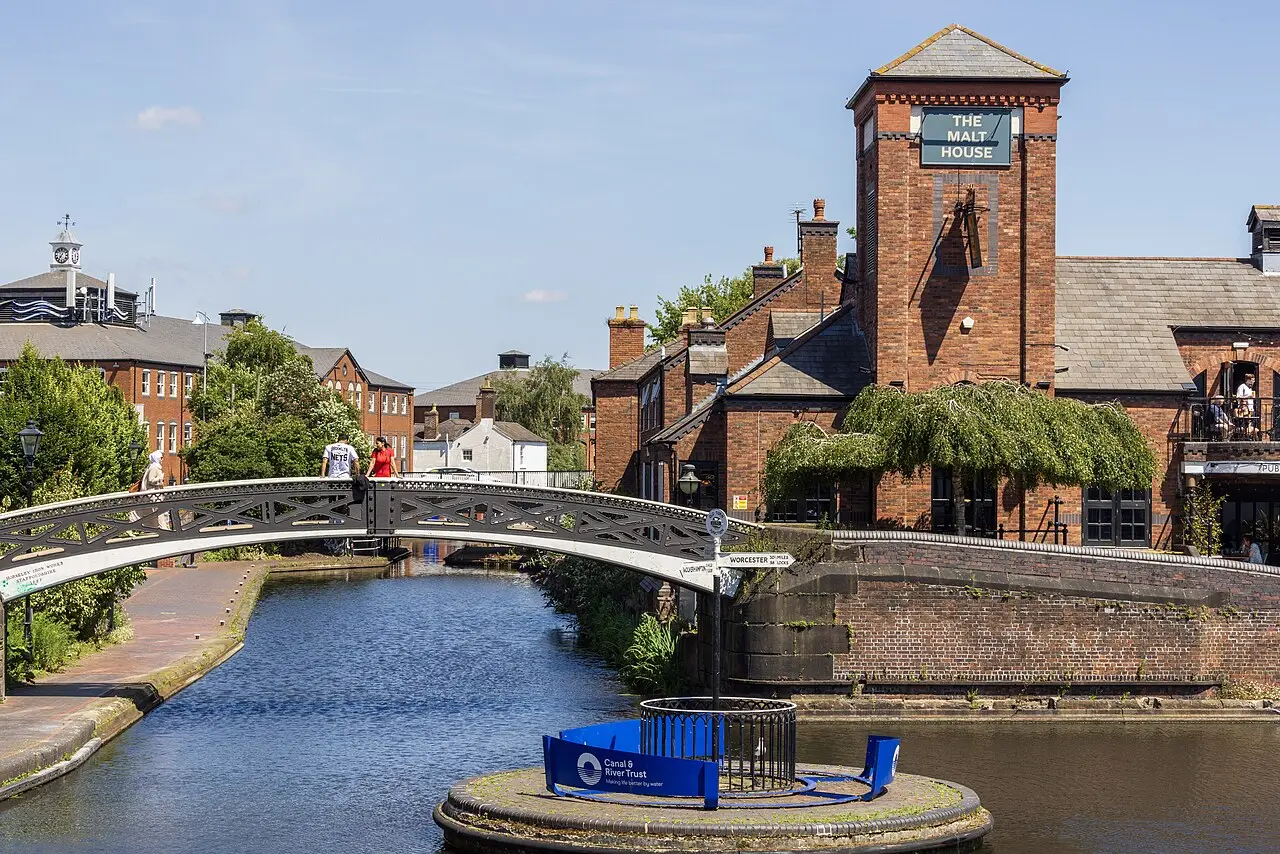
Back in the city centre, end the day at Gas Street Basin. Two rival canal companies met here, and an 84-foot wall called the Worcester Bar kept their water apart until a gap was opened in 1815. Today it is a mooring surrounded by galleries, shops and restaurants, which makes it an easy place to finish.
Practical tips
- Wear comfortable shoes: the city centre landmarks are all a walk apart.
- Bring headphones and a charged phone for the university's audio tour.
- Check Bullring's Christmas hours if you are visiting in December. It is closed on Christmas Day.
For addresses, opening hours and the concerts coming up, see our Landmarks in Birmingham page, which lists each landmark with a link to its own website.
Photograph: the Council House on Victoria Square, by Bill Boaden, Wikimedia Commons, CC BY-SA 2.0.
About the author
Discover Brum Editorial Team
The Discover Brum editorial team covers the people, places and stories that make Birmingham - from its canals and landmarks to the pubs, food and events worth knowing about. Got a story the city should hear? We would love to hear from you.
Featured posts
-
Things to do
Top 10 places to visit in Birmingham
-
Food and drink
The 12 most popular food spots in Birmingham
-
Things to do
The best laser tag locations in Birmingham
Keep reading
More from the blog
 Guides and How To
Cadbury World: a first-timer's guide
Cadbury World is the Birmingham day out almost everyone has heard of. It sits on the Cadbury site in Bournville, about 4 miles south of the city centre. If you are going...
Discover Brum Editorial Team
4 min read
 Guides and How To
Visiting Birmingham Botanical Gardens: a first-timer's guide
Birmingham Botanical Gardens sits in Edgbaston, about a mile from the city centre, and it is one of the easiest days out in the city to get right. There is no special kit...
Discover Brum Editorial Team
4 min read
 Guides and How To
Water sports in Birmingham: a first-timer's guide
Birmingham is a long way from the sea, but it is not short of water. There is a sailing club on Edgbaston Reservoir, close to the city centre, and two big lakes within ea...
Discover Brum Editorial Team
4 min read
 Guides and How To
Paintballing in Birmingham: a first-timer's guide
Paintball is one of those things most people have meant to try and never quite booked. It is easier than it looks, it is over in a morning or a day, and you do not need t...
Discover Brum Editorial Team
3 min read
 Guides and How To
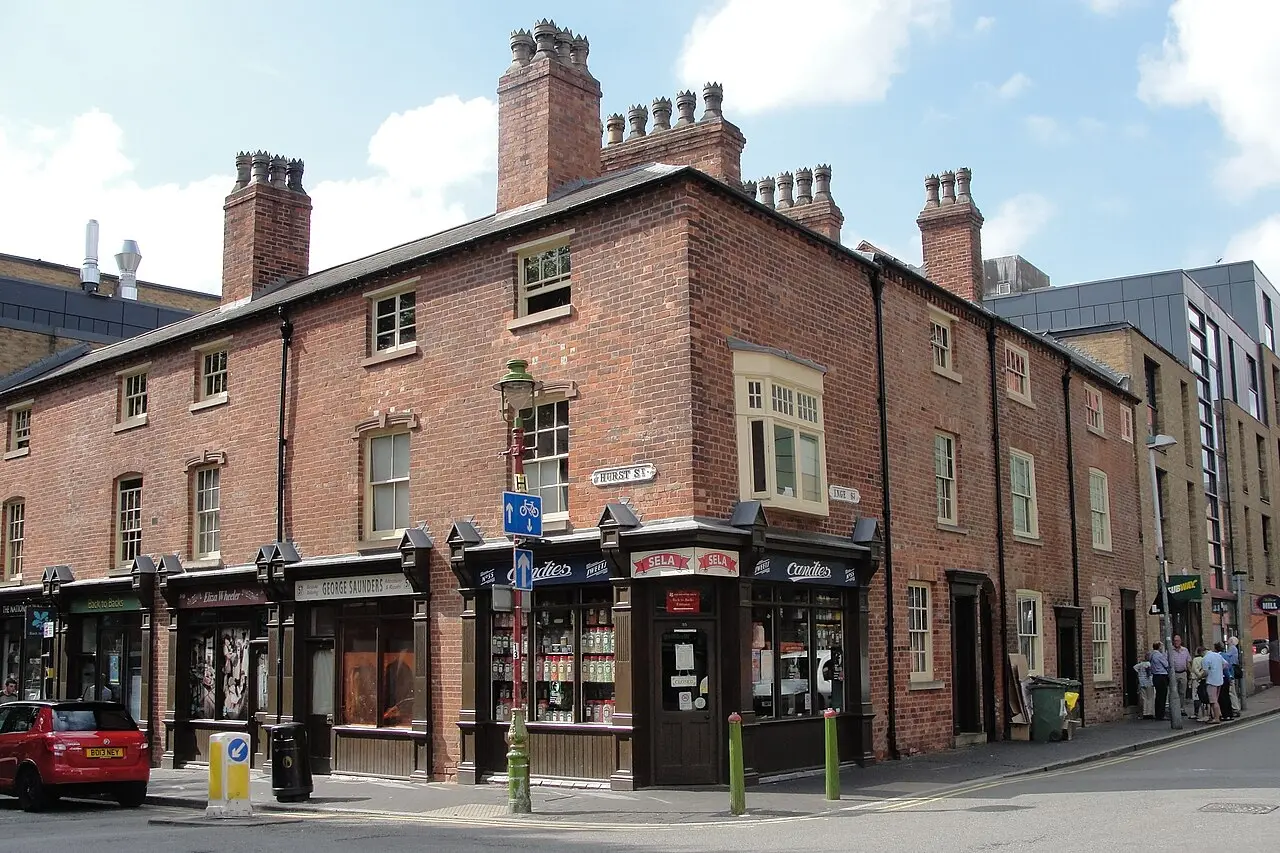
Visiting the Birmingham Back to Backs: a first-timer's guide
Tucked between the Hippodrome and Chinatown, on the corner of Hurst Street and Inge Street, is a small terrace of red brick houses that tells you more about how Birmingha...
Discover Brum Editorial Team
4 min read
 Guides and How To
Fishing in Birmingham: a first-timer's guide
Fishing looks like a sport for people who already know what they are doing, with their boxes of floats and folding seats. In fact it is one of the easiest outdoor hobbies...
Discover Brum Editorial Team
3 min read
 Guides and How To
Kayaking and canoeing in Birmingham: a first-timer's guide
Birmingham is not the first place most people think of for a day on the water, but the city was built around its canals, and there are friendly, well-run ways to get into...
Discover Brum Editorial Team
4 min read
 Guides and How To
Hot air ballooning near Birmingham: a first-timer's guide
A hot air balloon flight is one of those things plenty of people have on a list and never quite book. It is gentler than most expect, there is no training to do, and you...
Discover Brum Editorial Team
4 min read
 Guides and How To
Skydiving, indoor flying and gliding near Birmingham: a first-timer's guide
Most people who want to fly never get round to it, usually because they are not sure where to start. From Birmingham there are three good ways in, and none of them needs...
Discover Brum Editorial Team
4 min read
 Guides and How To
Visiting Birmingham's cathedrals: a first-timer's guide
Plenty of people walk past Birmingham's cathedrals every day without ever going in. That is a shame, because both are open to visitors daily, both are a few minutes from...
Discover Brum Editorial Team
4 min read
Hand-picked guides
More featured posts
Culture
Birmingham culture: a guide to the city's creative life
A world-class orchestra, a royal ballet, the birthplace of heavy metal and the traditions of communities from across the globe.
3 min read
History
Birmingham history in the 1900s
Two world wars, the rise of the car, the Bull Ring and the ring road: how the twentieth century transformed Birmingham.
3 min read
Neighbourhoods
Exploring the Jewellery Quarter
Working jewellers, a workshop frozen in 1981, Georgian squares and Victorian catacombs: a guide to one of Birmingham's best neighbourhoods.
3 min read
Things to do
Birmingham's canals: a guide to the waterways
Built for coal and iron, reborn for walkers and narrowboats: how to explore the canals at the heart of the city.
3 min read
Food and drink
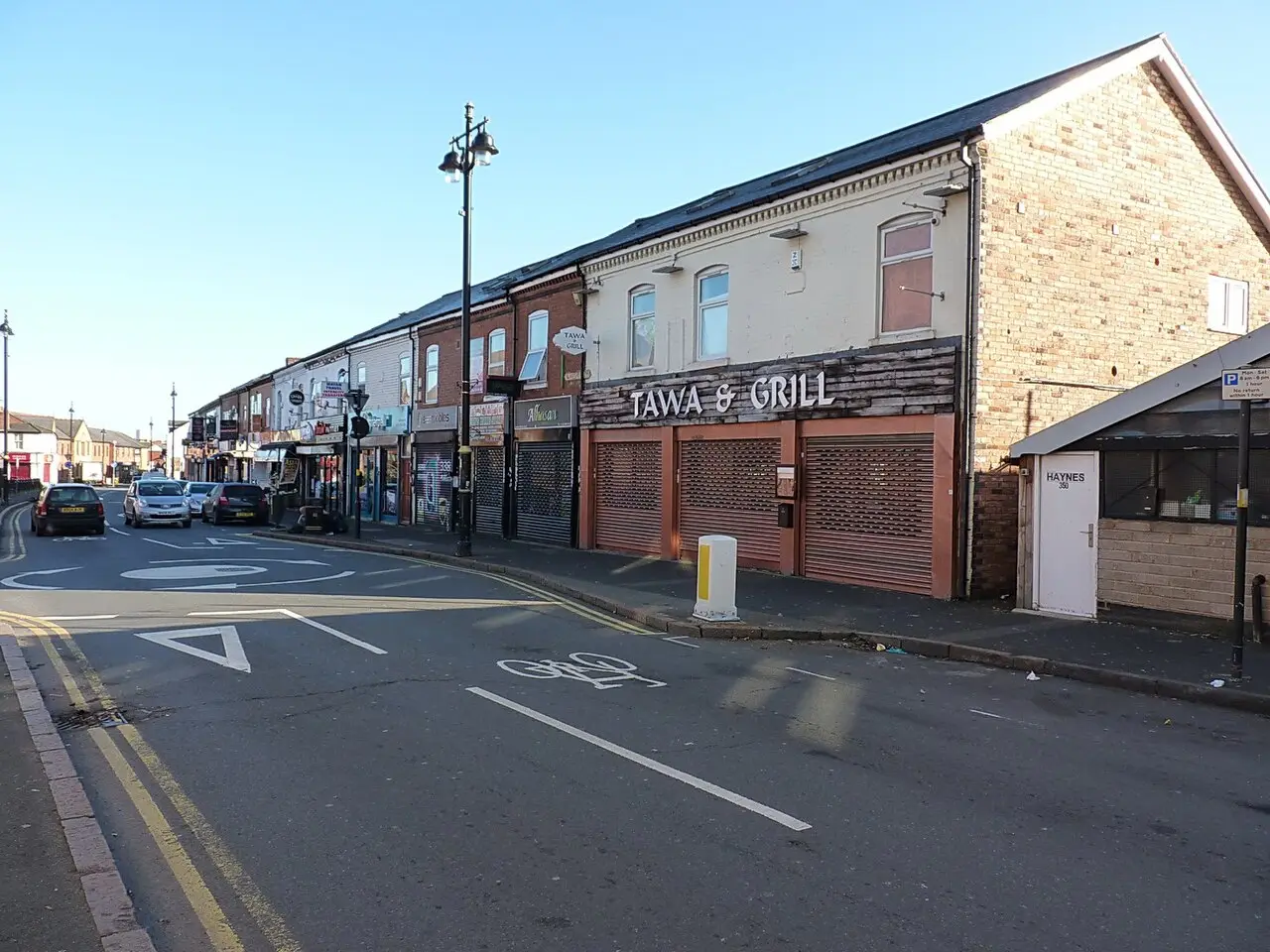
The Balti Triangle: Birmingham's gift to food
The balti was born in Birmingham. Here is where it came from, what makes it different, and where to eat one today.
3 min read
History
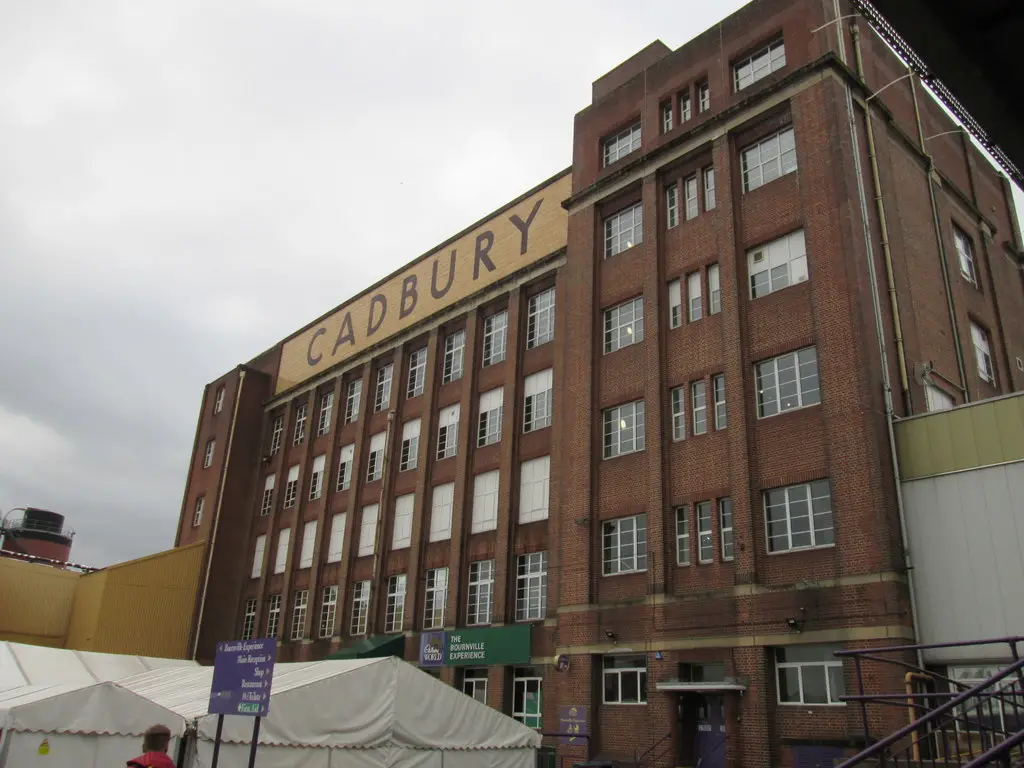
Cadbury and Bournville: the chocolate village
From a shop on Bull Street in 1824 to a factory in a garden: the story of Cadbury and the model village it built.
3 min read
Outdoors
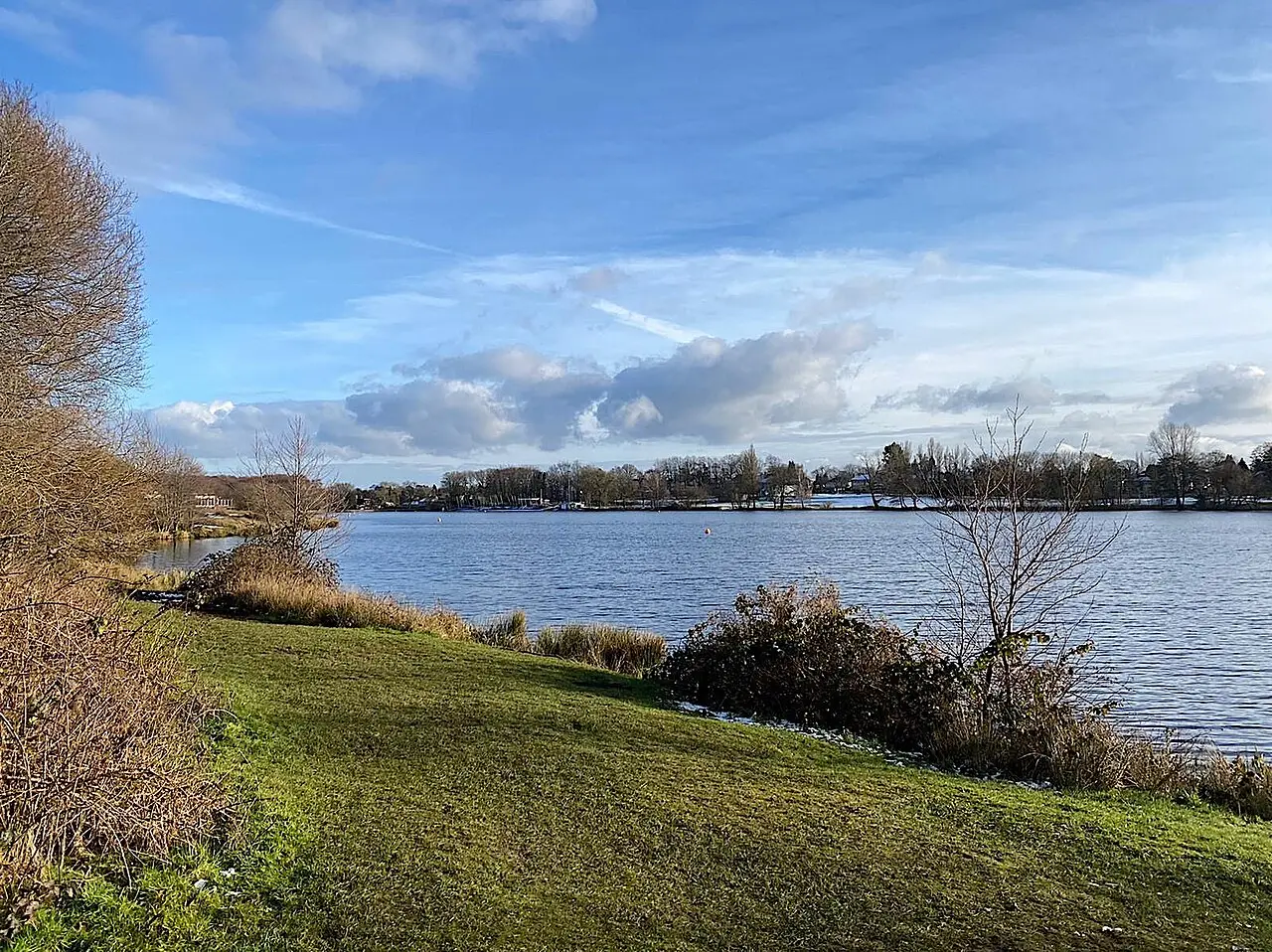
Birmingham's best parks and green spaces
Heathland, ancient woodland, Victorian parks and a bog that inspired Tolkien: the best places to escape the city.
3 min read
History
The real history of the Peaky Blinders
Peaked caps, bell-bottoms and a famous myth about razor blades: what we really know about Birmingham's street gangs.
3 min read
Culture
Birmingham's music heritage
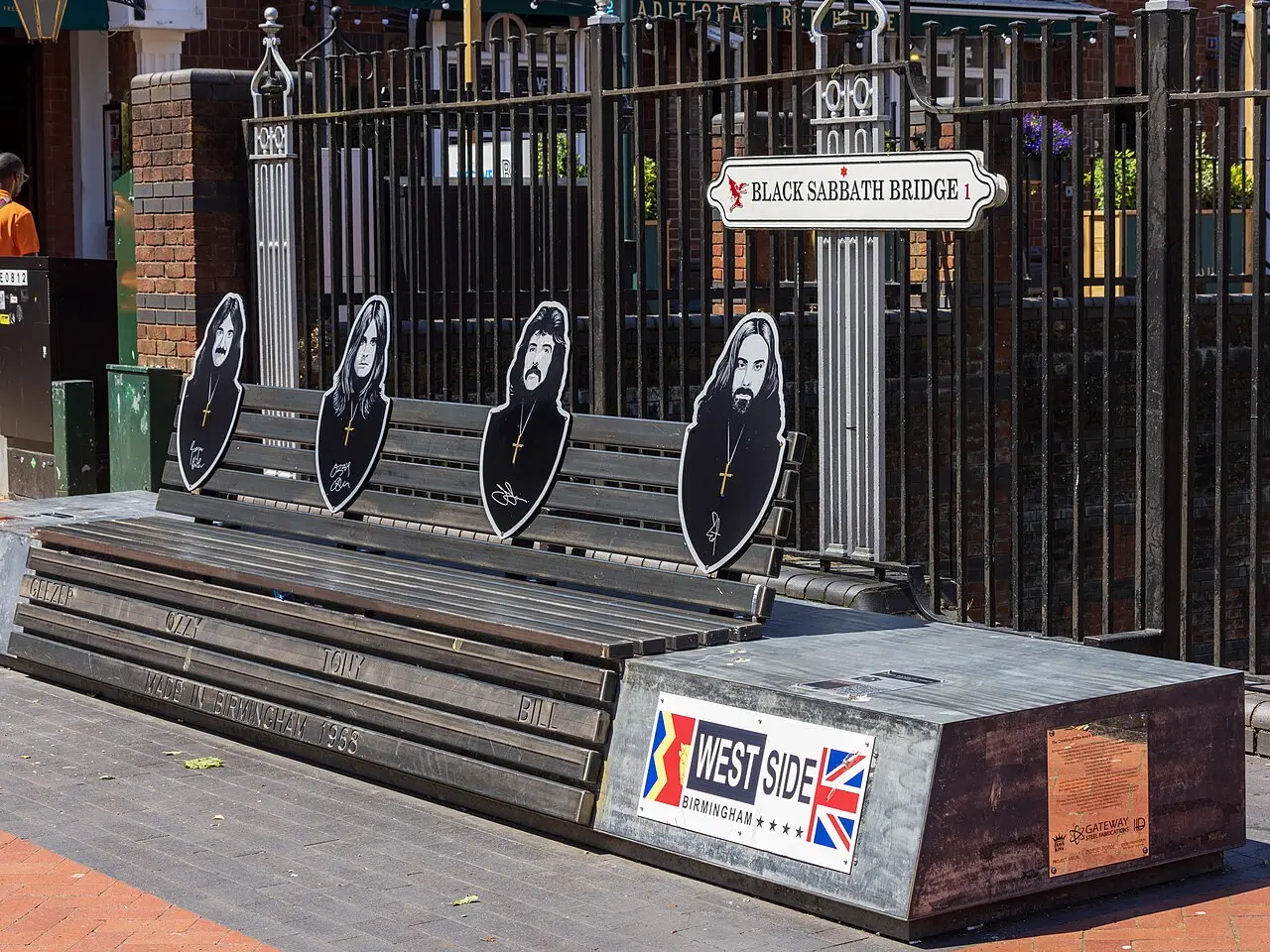
Heavy metal, reggae, new romantics and more: the bands and artists Birmingham gave the world.
3 min read
Culture
Museums and galleries in Birmingham
Pre-Raphaelites, Anglo-Saxon gold, a Spitfire and a workshop left untouched since 1981: the city's best museums, many of them free.
3 min read